
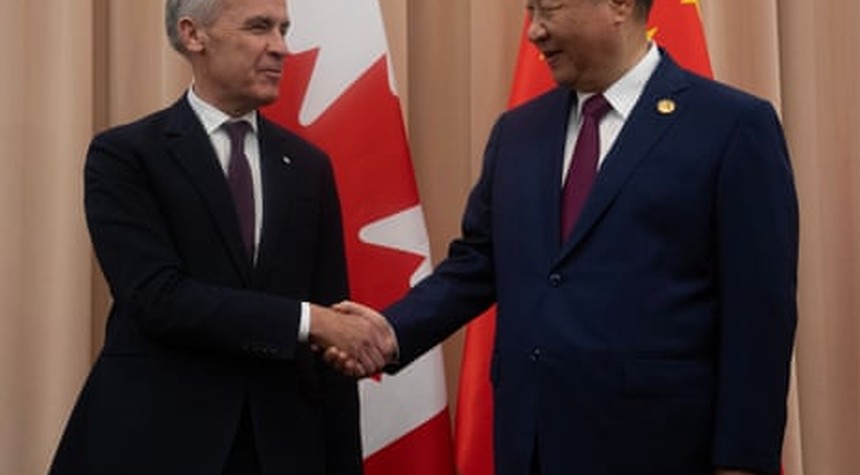
Prime Minister Mark Carney arrived in Beijing this week for the first official state visit by a Canadian head of government to China in nearly a decade, marking a significant shift in Ottawa’s diplomatic posture as economic pressures from the United States force Canada to reconsider its relationship with the world’s second-largest economy.
The visit comes with considerable irony. During Canada’s spring election campaign, Carney himself identified China as the nation’s “biggest geopolitical risk,” citing documented attempts to interfere in Canadian elections and recent provocations regarding Canada’s Arctic territorial claims. Yet the economic reality facing Canada has proven more immediate than these security concerns.
The trade war initiated by the Trump administration has inflicted what Canadian officials privately describe as mounting economic punishment. With the United States serving as Canada’s largest trading partner by a substantial margin, the need to diversify export markets has become not merely prudent but urgent. China, despite its authoritarian governance and adversarial actions, presents the most obvious alternative market of sufficient scale.
Michael Kovrig, a former Canadian diplomat and senior Asia adviser for the International Crisis Group, offered a sobering assessment of the dynamics at play. China’s leadership, he noted, likely perceives Canada as weakened and vulnerable, creating an opportunity for Beijing to position itself as a stable and reasonable partner in contrast to the unpredictable American administration.
The Communist Party has abandoned efforts to present itself as benevolent to Western nations. Instead, it offers competence and predictability as its primary appeal. This calculated approach may resonate with a Canadian government seeking relief from the volatility that has characterized recent American trade policy.
Yet Kovrig also acknowledged that this perceived weakness provides Carney with negotiating leverage. If Chinese officials believe Canada’s relationship with the United States is deteriorating, they may be willing to offer more favorable terms to secure greater access to Canadian resources and markets.
Those briefing the Prime Minister ahead of his meetings maintain no illusions about the nature of the Chinese leadership, according to Kovrig. The relationship remains fraught with fundamental disagreements over human rights, democratic governance, and international norms.
Kovrig himself embodies the risks inherent in engaging with China. His own detention by Chinese authorities in previous years serves as a stark reminder that Beijing views diplomacy through a lens of power and leverage rather than mutual respect and international law.
The visit represents a methodical diplomatic calculation rather than any genuine warming of relations. Ottawa recognizes that China uses its vast and lucrative market both to attract and to punish nations based on their alignment with Chinese interests. Canada enters these negotiations with clear eyes about the transactional nature of the relationship.
The rupturing of global economic and political alliances under strain from American trade policy has forced many nations to reconsider long-standing partnerships. Canada finds itself in the uncomfortable position of courting a geopolitical adversary out of economic necessity.
Whether this gambit will yield the economic relief Canada seeks remains uncertain. What is clear is that the Trump administration’s aggressive trade posture has succeeded in pushing a close American ally toward greater engagement with its primary strategic competitor. The long-term consequences of this realignment may prove more significant than any immediate trade agreements secured during Carney’s visit to Beijing.
Related: Four Oil Tankers Return to Venezuelan Waters Following Maduro’s Capture