
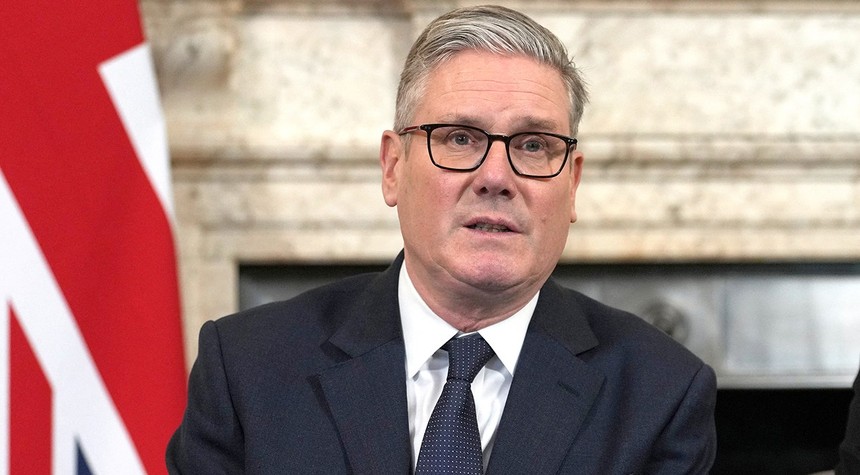
British Prime Minister Keir Starmer has authorized the United States to conduct limited military strikes against Iranian missile capabilities from British bases, marking a significant development in the escalating confrontation between Western powers and Tehran.
In a recorded statement to the nation, Starmer explained the rationale behind this consequential decision with characteristic directness. “The only way to stop the threat is to destroy the missiles at source, in their storage depots or the launchers which are used to fire the missiles,” the Prime Minister stated. “The United States has requested permission to use British bases for that specific and limited defensive purpose. We have taken the decision to accept this request.”
The authorization comes at a moment of heightened tension across the Middle East following American and Israeli military operations against Iran and subsequent retaliatory attacks by Tehran involving missiles and drones. The cycle of strikes and counterstrikes has generated legitimate concerns about the potential for a broader regional conflict that could draw in additional nations and destabilize an already volatile region.
Defense Secretary John Healey disclosed on Sunday that two Iranian missiles had been fired toward Cyprus, where Britain maintains sovereign base areas of strategic importance. This detail underscores the direct nature of the threat facing British installations and personnel in the region.
The Royal Air Force has already been engaged in defensive operations. Typhoon jets operating from Qatar as part of the joint United Kingdom-Qatar Typhoon Squadron successfully intercepted an Iranian drone that was heading toward Qatari territory. Additionally, approximately 300 British military personnel stationed at a naval facility in Bahrain found themselves in proximity to areas struck by Iranian missiles and drones.
“We are taking down the drones that are menacing either our bases, our people, or our allies,” Healey explained in an interview. “We have stepped up alongside the Americans. We have stepped up our defensive forces in the Middle East. We are flying those sorties.”
On February 28, following Operation Epic Fury, Starmer confirmed that British aircraft were conducting coordinated regional defensive operations to protect British citizens, interests, and allies throughout the Middle East.
However, British officials have been careful to draw a distinction between their defensive posture and the offensive operations conducted by the United States and Israel. Healey emphasized that the United Kingdom had “no part” in the American-Israeli strikes on Iranian territory and insisted that all British military actions remain strictly defensive in nature.
“All our actions are about defending United Kingdom interests and defending United Kingdom allies,” Healey stated firmly. When pressed on whether Britain would participate in future offensive operations alongside the United States, the Defense Secretary declined to speculate on hypothetical scenarios.
This measured approach reflects the delicate balance the British government is attempting to maintain. By permitting American use of British bases for strikes against Iranian missile infrastructure, London demonstrates solidarity with its most important ally while simultaneously maintaining that its own forces are engaged solely in defensive operations.
The situation continues to develop as regional powers assess their next moves in what has become an increasingly dangerous standoff with implications extending far beyond the immediate theater of operations.
Related: UN Abruptly Cuts Video Statement Criticizing Sanctioned Officials