
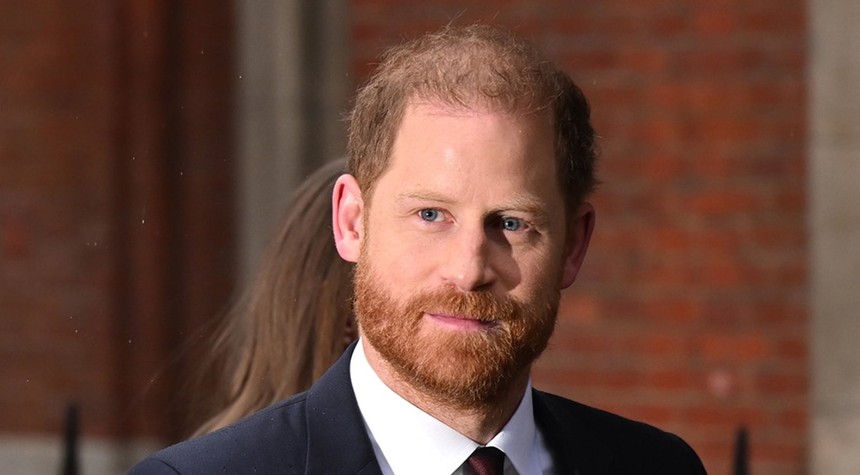
LONDON — Prince Harry returned to the witness stand Wednesday in what may prove to be his final courtroom confrontation with the British tabloid press, delivering emotional testimony about years of alleged privacy violations that he says have devastated his family.
The Duke of Sussex, appearing before the High Court, spoke with visible strain about the impact of media intrusion on his wife, Meghan, the Duchess of Sussex. During questioning by his attorney David Sherborne, Harry stated plainly that tabloid conduct had made his wife’s life “an absolute misery.” His voice faltered at several points during the testimony.
Harry leads a group of seven prominent claimants in this privacy lawsuit against Associated Newspapers Limited, the publishing house behind the Daily Mail and The Mail on Sunday. Joining him in the legal action are musician Elton John, actress Elizabeth Hurley, and actress Sadie Frost, among others.
The allegations are serious and specific. The claimants accuse ANL of employing unlawful methods to gather information for sensational stories, including phone tapping, phone hacking, and the fraudulent acquisition of private medical and financial records. These practices allegedly occurred over an extended period, though the timeframe remains central to the legal proceedings.
This marks the second time the estranged royal has testified in a British courtroom, an unusual step for a member of the royal family. Harry’s willingness to take the stand personally underscores the depth of his grievance against the British press establishment.
During his testimony, Harry addressed what he characterized as his life being “commercialized” since his teenage years. He expressed particular indignation at the defense’s legal position. “The defense’s claim that I don’t have any right to privacy is disgusting,” he said, his voice breaking with emotion.
The case represents more than a personal vendetta. It touches on fundamental questions about press freedom, privacy rights, and the methods journalists may legally employ in pursuit of stories about public figures. Britain has long grappled with these issues, particularly following the phone hacking scandal that led to the closure of the News of the World tabloid in 2011.
Associated Newspapers Limited has denied the allegations. The publisher maintains that its journalism has been conducted within legal bounds and that the claimants have failed to provide sufficient evidence of wrongdoing.
The lawsuit arrives at a complicated moment in Harry’s relationship with both the British media and the royal family itself. Since stepping back from royal duties and relocating to California with his wife and children, Harry has become increasingly vocal about what he views as systemic misconduct by the British press.
The outcome of this case could have significant implications for media practices in Britain and for the ongoing tension between privacy rights and press freedom. For Harry personally, the stakes appear even higher. This legal battle represents not merely a quest for accountability, but an attempt to protect what remains of his family’s private life from an industry he believes has shown neither restraint nor remorse.
The proceedings continue in London.
Related: Global Markets Tumble as Trump Trade Threats Escalate Tensions with Europe