
The Russian government has issued a formal protest against Canada and other Western nations for their continued exclusion of Russian athletes from international hockey competitions, despite a recent court decision lifting such restrictions. The statement, delivered through official channels, represents the latest chapter in an ongoing dispute that has effectively frozen Russia out of global sporting events since the Ukraine conflict began.
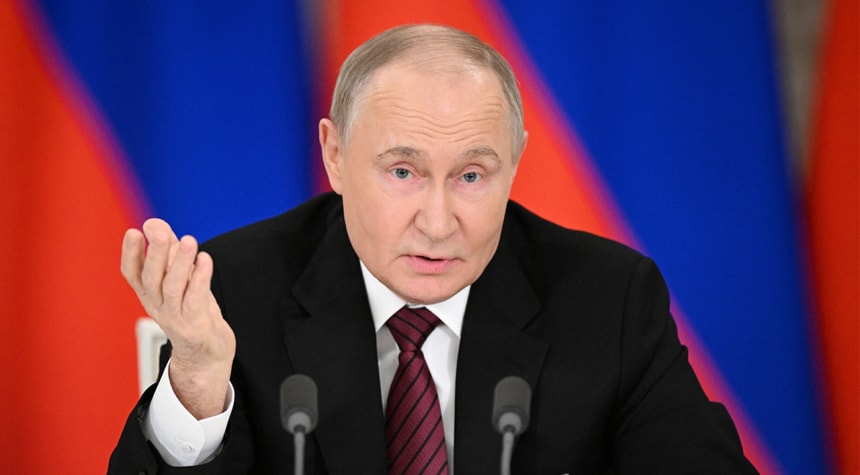
President Vladimir Putin characterized the exclusionary policies as violations of international law and democratic principles. His remarks specifically addressed the decision by Hockey Canada and Canadian Prime Minister Mark Carney to prevent Russian participation in the World Junior Championships scheduled for next month in Alberta. This position stands in direct contradiction to a ruling by the Court of Arbitration for Sport, which overturned restrictions imposed by the International Ice Hockey Federation.
The Russian leader argued that these restrictions lack legal foundation and are driven entirely by political considerations. He described the situation as a fundamental breach of judicial authority and an erosion of institutional integrity. The Belarusian government echoed these concerns through its Foreign Ministry spokesman, who invoked the Olympic principle of keeping sport separate from politics.
The dispute centers on an undeniable fact: Russia initiated military operations in Ukraine on February 24, 2022, immediately following the conclusion of that year’s Winter Olympics. Since that time, Russian athletes have been systematically excluded from major international competitions. Russian teams were absent from Olympic hockey competition earlier this year and were not included in the National Hockey League’s 4 Nations tournament.
Prime Minister Carney’s position was unequivocal. He stated that Russian and Belarusian athletes would not compete under their national symbols on Canadian soil while those nations continue their involvement in Ukraine. Hockey Canada formally thanked the Canadian government for this stance and announced plans for its Board of Directors to determine next steps in light of the government’s clear directive.
The controversy has created a significant rift within the international hockey community. Six European nations have announced they will boycott matches against Russian teams for the duration of the Ukraine conflict. Sweden, Finland, the Czech Republic, Norway, Latvia, and Denmark have all issued statements supporting this position.
The dispute has extended beyond governmental and sporting bodies to the commercial sector. A major German workwear company that serves as a primary sponsor for next year’s world championships has threatened to withdraw its support if Russian teams participate. The company announced it would eliminate all logo exposure associated with the tournament and consider complete withdrawal from sponsorship obligations.
The Court of Arbitration for Sport ruled that Russian teams possess the legal right to compete in upcoming men’s and women’s world championships. The World Junior Championships represent the first major test of this decision. The conflict now pits judicial rulings against political determinations by host nations exercising what they view as sovereign authority over events within their borders.
This situation presents a fundamental question about the intersection of international sport, legal authority, and political considerations during wartime. The position of Western nations reflects their broader policy of isolating Russia diplomatically and economically. The Russian and Belarusian governments contend this approach violates established principles of international sporting competition and discriminates based on nationality.
The resolution of this dispute remains uncertain as both sides maintain firm positions based on competing principles and interpretations of international law.
Related: Brazilian Youth Soccer Match Produces Record 51 Ejections After Mass Brawl