
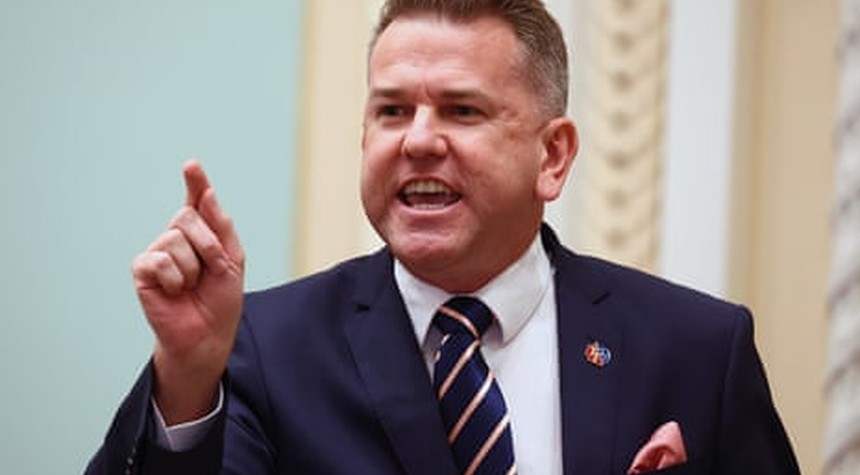
After nearly two years of calculated political caution, Queensland’s Liberal National Party government has unveiled workplace legislation that threatens to undermine the very suburban coalition that delivered its electoral victory.
The proposals, announced Wednesday, would grant Deputy Premier Jarrod Bleijie unprecedented authority to intervene in public-sector strikes when officials deem such action serves “the public interest.” Additionally, the legislation would substantially tighten requirements for public servants seeking compensation for psychological injuries, mandating that claimants demonstrate their workplace served as the primary cause of such harm.
This represents a remarkable departure for a government that has until now operated with exceptional political prudence. The LNP secured power in 2024 by maintaining strict message discipline on crime while deliberately avoiding divisive positions on matters ranging from abortion to budget reductions. That strategy proved effective with suburban voters who proved decisive in delivering the party’s comfortable majority.
The workplace reforms have generated predictable opposition. Legal advocates warn the psychological injury provisions will effectively deny legitimate claims from workers experiencing genuine workplace trauma. Labor unions representing paramedics and healthcare workers have characterized the measures as covert attacks on emergency services personnel. Opposition Leader Steven Miles invoked the specter of Campbell Newman’s ill-fated government, drawing parallels that resonate deeply in Queensland’s recent political memory.
The Newman comparison carries particular weight. Premier David Crisafulli and Deputy Premier Bleijie witnessed firsthand how aggressive conservative governance sparked mass protests and precipitated electoral catastrophe. Newman’s aggressive approach to public-sector workforce reductions alienated moderate voters who might otherwise support center-right governance. That experience shaped the current government’s cautious approach until this week’s announcement.
Several business organizations have welcomed the proposed changes, suggesting the government calculates that economic concerns may outweigh worker protections among its target constituencies. Yet this assessment may prove overly optimistic regarding suburban voters who have historically demonstrated discomfort with ideologically driven governance.
The government has not been entirely passive during its tenure. It has pursued changes to Indigenous representation in government structures, restrictions on certain medical treatments, and limitations on public demonstrations regarding Middle Eastern conflicts. These initiatives reflected a different calculation entirely, one premised on the belief that such matters remain peripheral to the everyday concerns of suburban and regional Queenslanders focused primarily on household economics and community safety.
The workplace legislation represents something qualitatively different. Public-sector workers and their families constitute a substantial portion of Queensland’s suburban middle class. Teachers, nurses, paramedics, and civil servants form the backbone of communities across the state’s growth corridors. Legislation perceived as targeting their interests and protections strikes closer to home than matters of symbolic politics.
The question now confronting the Crisafulli government is whether Queensland’s suburban voters will accept this departure from the campaign they endorsed. The premier has spent considerable political capital maintaining an image of moderate, competent governance. Whether that accumulated goodwill proves sufficient to weather controversy over workplace relations remains to be seen.
Political observers note the government faces approximately two years before facing voters again. That timeline may provide adequate distance for public sentiment to shift, particularly if economic conditions improve. Alternatively, this legislation may prove the inflection point where a cautious government revealed commitments that suburban Queensland ultimately finds unacceptable.
The outcome will likely determine whether this government follows the Newman trajectory toward single-term status or establishes a sustainable conservative majority in Australia’s third-largest state.
Related: Egyptian Journalists Allege Torture After Arrest on Terrorism Charges