
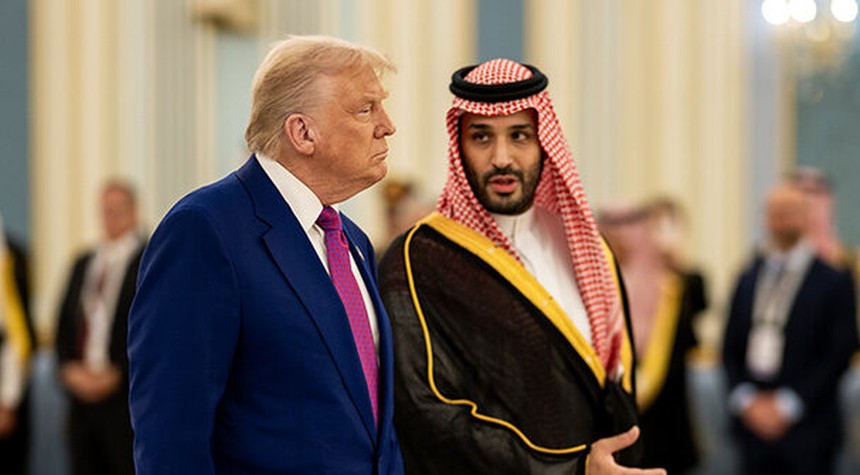
The Kingdom of Saudi Arabia has emerged as a voice of caution in the escalating tensions between the United States and Iran, with Crown Prince Mohammed bin Salman directly advising President Donald Trump against military action that could destabilize the entire Middle East region.
In a telephone conversation on Sunday, the Saudi Crown Prince, who serves as the de facto leader of the kingdom, urged the American president to avoid transforming the current crisis into what he termed a “wider conflict whose repercussions would affect regional and international security and stability.” The exchange proved consequential, as President Trump subsequently canceled what he described as a planned “massive attack” on Iranian targets.
The president acknowledged that American military forces had been positioned and prepared to execute strikes against Iran. However, he made the decision to stand down after consulting with regional allies, including Saudi Arabia. Trump characterized the conversation with Crown Prince Mohammed as pivotal in his decision-making process.
“I said, ‘What would you rather do? Would you rather have us do this or not?'” Trump recounted. “They said, ‘We would much prefer a deal as opposed to an attack, because you don’t know where these attacks lead.'”
According to the Saudi Press Agency, the Crown Prince emphasized the necessity of prioritizing diplomatic dialogue to reduce regional tensions. He stressed the importance of pursuing every available avenue to achieve stability that would facilitate diplomatic solutions rather than military confrontation.
The Saudi position reflects genuine concerns about the potential consequences of American military action against Iran. Sources familiar with the conversation indicated that Crown Prince Mohammed expressed particular worry about retaliatory strikes against critical energy infrastructure throughout the Persian Gulf region. A major American attack on Iranian oil and gas facilities could provoke Tehran to target similar installations in neighboring Gulf states, potentially disrupting global energy markets and triggering a broader regional conflagration.
This cautious stance from Riyadh represents a notable development in Middle Eastern geopolitics. Saudi Arabia and Iran have long maintained an adversarial relationship, competing for regional influence and supporting opposing sides in conflicts across Yemen, Syria, and Lebanon. The kingdom might have been expected to welcome American military pressure on its principal rival.
Yet the Saudi leadership appears to have calculated that the risks of military escalation outweigh any potential benefits. The kingdom’s extensive oil infrastructure, concentrated along its eastern coast in close proximity to Iran, would present an inviting target for retaliation. Previous attacks attributed to Iranian-backed forces have already demonstrated the vulnerability of these facilities.
The episode underscores the complex diplomatic landscape President Trump must navigate as he pursues his administration’s maximum pressure campaign against Iran. While maintaining strong alliances with Gulf Arab states, the president must also weigh their counsel against competing pressures from advisers who favor more aggressive action.
For now, diplomacy has prevailed over military force, though the fundamental tensions between Washington and Tehran remain unresolved.
Related: Nauru Becomes Republic of Naoero in Return to Indigenous Identity