
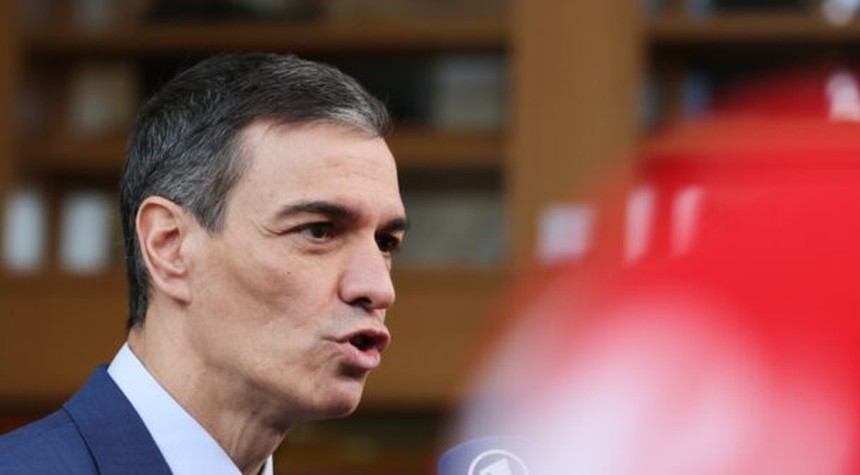
Spain’s Prime Minister Pedro Sánchez delivered a stern rebuke to the United States and Israel on Wednesday, characterizing ongoing military operations against Iran as violations of international law that threaten global stability.
Speaking before the Spanish Congress, the socialist leader warned that the consequences of the current conflict could eclipse those of the Second Gulf War in both scope and severity. His remarks represent the latest fracture within the North Atlantic Treaty Organization as European members increasingly question American strategic decisions in the Middle East.
Sánchez argued that the military campaign serves narrow interests while undermining the international legal framework that has governed relations between nations since World War II. He expressed particular concern that the conflict, now in its fourth week, could metastasize into a prolonged engagement with ramifications extending far beyond the immediate theater of operations.
The Spanish prime minister contended that the offensive aims to destabilize the Middle East region and divert attention from the humanitarian situation in Gaza. He characterized the timing of military action as particularly troubling, noting that diplomatic channels remained available and that a nuclear agreement had been within reach before operations commenced.
“The Spanish government will act to ensure this does not happen again,” Sánchez stated, emphasizing that military conflict serves neither the economic interests of ordinary citizens nor the broader goals of international cooperation on pressing matters of housing, wages, and public services.
His criticism echoed remarks made just one day earlier by German President Frank-Walter Steinmeier, who similarly condemned the military action as contrary to international law. The German leader went further, suggesting that European nations must develop greater independence from American defense and technology systems to preserve their sovereignty and domestic political processes.
Steinmeier described the Iran campaign as a preventable conflict that disregards the rule-based international order which Germany has pledged to uphold. He warned of a widening divide between the United States and its traditional European partners.
These parallel statements from two significant NATO members reflect a broader tension within the alliance regarding American leadership and strategic priorities under President Donald Trump’s administration. Both Sánchez and Steinmeier have previously expressed reservations about American foreign policy decisions, but their coordinated timing suggests a more organized European response to what they view as unilateral action.
The Spanish prime minister’s warnings about potential outcomes comparable to or exceeding the Iraq conflict carry particular weight given the enduring consequences of that 2003 invasion. The Iraq War produced regional instability, massive refugee flows, the rise of extremist organizations, and strained transatlantic relations for years afterward.
As the conflict continues, the diplomatic rift within NATO presents complications for coordinated Western policy in the Middle East and raises questions about alliance cohesion at a time when unified action on multiple global challenges remains essential. The coming weeks will test whether these differences can be reconciled or whether they represent a fundamental realignment of Western strategic relationships.
Related: Australian Senator Proposes Gas Export Levy as Fuel Crisis Deepens Across Pacific