
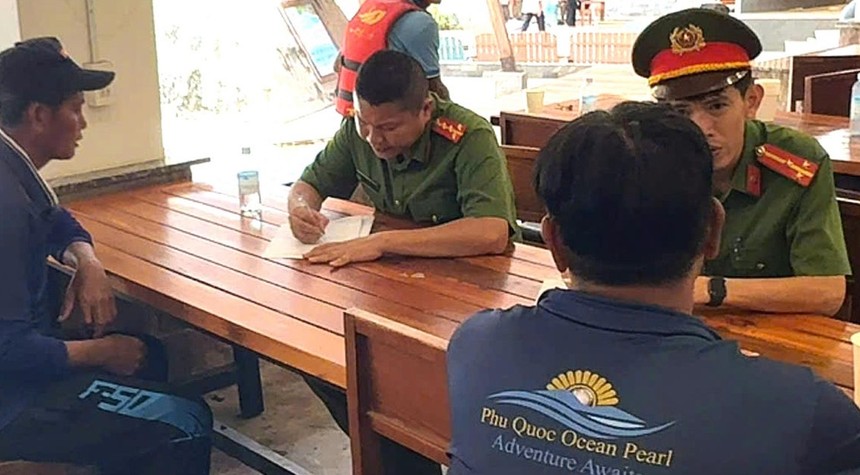
Vietnamese authorities have detained the captain of a speedboat that capsized Saturday afternoon near Phu Quoc Island, resulting in the deaths of 15 Indian tourists in what has become one of the deadliest maritime accidents involving foreign visitors in recent Vietnamese history.
The vessel, carrying 32 Indian nationals and four Vietnamese crew members, overturned less than half a kilometer from shore shortly after departing Hon May Rut Ngoai island. Captain Nguyen Hong Hai, 57, now faces investigation for alleged violations of waterway transport safety regulations, according to official Vietnamese reports.
The facts of this tragedy are straightforward, yet troubling. All 15 victims were employees, distributors, and retail partners of Lava International, an Indian smartphone and consumer electronics manufacturer, traveling as part of a company-organized trip. Sixteen survivors have been discharged from Vietnamese hospitals and are returning to India. One individual remains in critical condition. The bodies of the deceased are being transported to Ho Chi Minh City for repatriation following completion of official formalities.
Initial Vietnamese government assessments attribute the incident to extreme weather conditions that shifted rapidly. However, this explanation deserves scrutiny. Eyewitness accounts from sailors involved in rescue operations reported high waves but no precipitation at the time of the accident. Perhaps most significantly, several other tourist boats were operating in the same area without incident.
Ashish Kumar, a 48-year-old company distributor from Guntur who witnessed the capsizing from shore, described the vessel as relatively close to land when it overturned. His group had divided into three boats for inter-island travel. The first had departed safely while two remained docked when disaster struck.
“We screamed, ‘Help! Help!'” Kumar recalled. Nearby vessels responded immediately, but the speed of the sinking proved catastrophic.
Ha Van Loc, piloting a boat in the vicinity, spotted the overturned vessel at approximately 12:40 p.m. local time. He observed roughly a dozen passengers clinging to the hull while others, notably without life jackets, struggled in the water. The absence of life jackets on multiple passengers raises serious questions about safety protocol compliance.
Rough seas with waves reaching ten feet complicated rescue efforts considerably. Loc could not approach the capsized vessel closely, fearing his propeller might injure those in the water. He and his crew deployed life buoys attached to ropes, pulling four survivors aboard within ten minutes. Recognizing others remained trapped, Loc documented the scene and alerted additional boat operators. Within minutes, nearly a dozen vessels and rescue teams converged on the location.
Jet skis proved more effective than larger boats in reaching survivors, transporting them to shore individually through the turbulent conditions.
This incident underscores persistent concerns regarding maritime safety standards in Southeast Asian tourist destinations. Vietnam has experienced significant growth in international tourism in recent years, with coastal attractions like Phu Quoc drawing visitors worldwide. Such growth demands corresponding improvements in safety infrastructure and regulatory enforcement.
The Indian Embassy in Hanoi has confirmed its involvement in coordinating repatriation efforts and providing consular assistance to survivors and victims’ families. The investigation into Captain Hai’s alleged violations will determine whether criminal negligence contributed to this preventable loss of life.
For now, fifteen families mourn loved ones who departed on what should have been a celebratory company excursion and never returned home.
Related: Locked Emergency Exits Trapped Victims in Deadly Bangkok Nightclub Fire