
France announced Monday it would summon Russia’s ambassador to Paris in response to what Foreign Minister Jean-Noel Barrot described as “a vast cyber campaign” targeting nations across the European continent. The move represents a coordinated effort among European allies to confront what they characterize as systematic digital aggression orchestrated by Russian intelligence services.
France will impose sanctions on nine individuals and four entities identified as responsible for cyber operations directed by Russia’s FSB, the nation’s primary intelligence and security apparatus. Minister Barrot made this announcement as the European Union and United Kingdom simultaneously unveiled parallel sanctions, demonstrating a unified Western response to the alleged attacks.
The Russian operations targeted companies, government ministries, and critical service operators across approximately a dozen European nations, according to French officials. The objectives of these intrusions ranged from intelligence gathering to operational sabotage, including attacks on vital infrastructure such as railway systems.
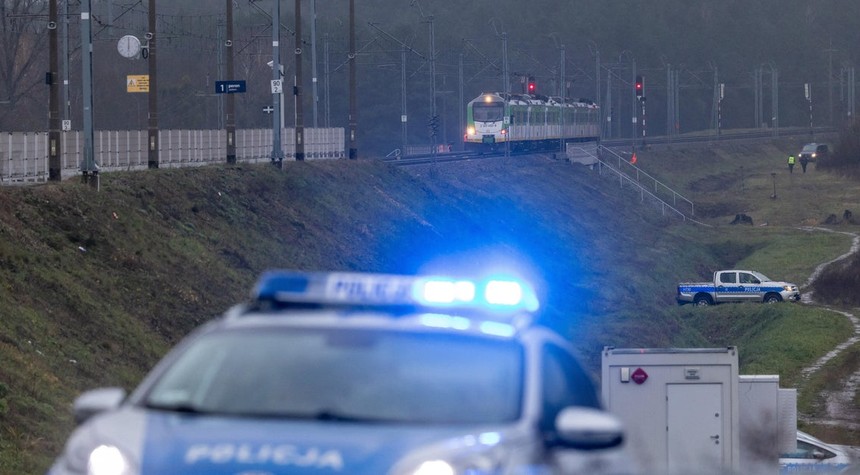
Poland emerged as a particularly notable target. The nation’s senior diplomatic officials accused Russia of committing “an act of state terror” last November after authorities arrested two Ukrainian nationals allegedly working in coordination with Russian intelligence services. These individuals faced accusations of destroying a railway line within Polish territory, demonstrating the physical consequences of what began as digital infiltration.
Minister Barrot emphasized that French security services successfully detected these attacks, crediting significant investments in cyber defense capabilities. This detection capability allowed France to identify the scope and nature of the Russian operations before announcing the diplomatic and economic countermeasures.
The European Union issued a comprehensive statement Monday condemning what it termed “Russia’s malicious cyber ecosystem.” The bloc’s assessment describes a complex network encompassing both state and non-state actors, including intelligence services, criminal organizations, hacktivist groups, and private companies operating under Russian direction or influence.
European officials specifically accused the FSB of controlling multiple cyber threat groups whose activities included infiltrating governmental networks and sabotaging critical infrastructure. The targeted nations included France, Germany, Poland, Cyprus, the Netherlands, Austria, Slovakia, Romania, and Finland, among others. These operations resulted in service disruptions and substantial financial losses across the affected countries.
The European Union’s sanctions target nine individuals and four entities, including officers from Russia’s military intelligence agency, the GRU, alongside cybercriminals, self-described hacktivists, and private sector entities. The United Kingdom announced more extensive measures, sanctioning twenty-four individuals and entities for what British officials characterized as “cyber and hybrid operations.”
These announcements preceded a Paris summit of the Coalition of the Willing, a group of nations supporting Ukraine in its conflict with Russia. Kremlin spokesman Dmitry Peskov dismissed the coalition as “warmongers” and stated that Russia would monitor their activities closely, characterizing the participating nations as undertaking hostile actions against Russian interests.
The pattern of Russian cyber aggression extends beyond the current announcements. Sweden disclosed in April that it had successfully prevented a Russian cyber attack targeting a thermal power plant the previous year. That revelation followed warnings from Poland, Norway, Denmark, and Latvia that Russia was systematically targeting critical infrastructure throughout Europe.
These developments underscore the continuing challenge European nations face in protecting vital systems from sophisticated state-sponsored cyber operations. The coordinated response from France, the European Union, and the United Kingdom signals a determination to impose consequences for such activities, even as the digital battlefield continues to evolve.
Related: Speedboat Capsizes Near Phu Quoc Island Leaving 15 Dead in Tourist Tragedy