
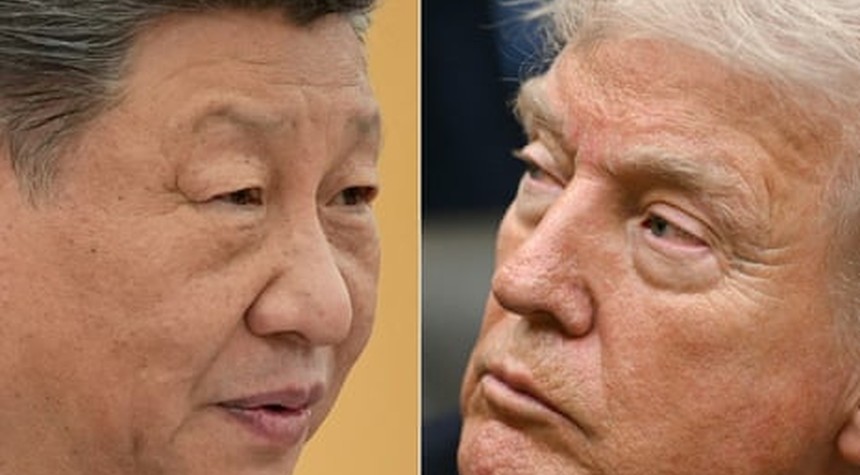
The delicate balance of power in the Taiwan Strait remains at the forefront of American foreign policy as Chinese President Xi Jinping issued stark warnings to President Donald Trump regarding continued arms sales to the self-governed island democracy.
In their first conversation since November, Xi emphasized what Beijing considers the paramount issue in bilateral relations: Taiwan. According to a readout from China’s foreign ministry, the Chinese leader stated unequivocally that China “must safeguard its own sovereignty and territorial integrity, and will never allow Taiwan to be separated.” He pressed Trump to handle arms sales to Taiwan with what he termed “prudence.”
The timing of these remarks carries particular significance given the substantial military support package currently under consideration. In December, the State Department announced its largest-ever proposed arms sale to Taiwan, valued at more than eleven billion dollars. The package includes advanced missiles, artillery systems, and drone technology. Congressional approval remains pending.
Hours after details of the Trump-Xi conversation emerged, Taiwan’s President Lai Ching-te responded with confidence. Speaking to reporters during a visit to textile merchants in western Taiwan, Lai declared the relationship with Washington “rock solid” and assured that “all cooperation projects will continue uninterrupted.”
This exchange underscores the fundamental contradiction at the heart of the China-Taiwan-America triangle. Taiwan operates as a functioning democracy with its own government, military, and economy. Yet Beijing claims the island as Chinese territory and has repeatedly stated its willingness to use force to achieve reunification. China prohibits nations with which it maintains diplomatic relations, including the United States, from establishing formal ties with Taipei.
The United States walks a careful line. While Washington does not officially recognize Taiwan as an independent nation, it serves as the island’s primary security guarantor and arms supplier. This arrangement has maintained an uneasy peace for decades, though tensions have escalated in recent years.
Beijing’s response to the proposed December arms package demonstrated the seriousness with which it views such transactions. Chinese military forces conducted two days of drills around Taiwan, deploying air, naval, and missile units in a clear show of force.
The arms sales face opposition not only from Beijing but also from within Taiwan itself. The island’s opposition KMT party has blocked President Lai’s budget proposals, including a forty billion dollar special defense appropriation. The opposition has proposed significantly reduced defense spending, challenging Lai’s plan to increase military expenditures to 3.3 percent of Taiwan’s gross domestic product.
President Trump characterized his conversation with Xi as “excellent” and “thorough,” noting that discussions extended beyond Taiwan to include Russia’s war in Ukraine, the situation with Iran, and potential Chinese purchases of American oil and gas. Trump announced plans to visit China in April, his first such trip during his current term, and indicated China may increase its purchases of American soybeans from twelve million to twenty million tons.
As these diplomatic maneuvers unfold, the fundamental question remains unresolved: how long can this precarious balance endure, and what price will America pay to maintain it?
Related: US Authorities Collaborate With Venezuela on Arrest of Former Maduro Minister