
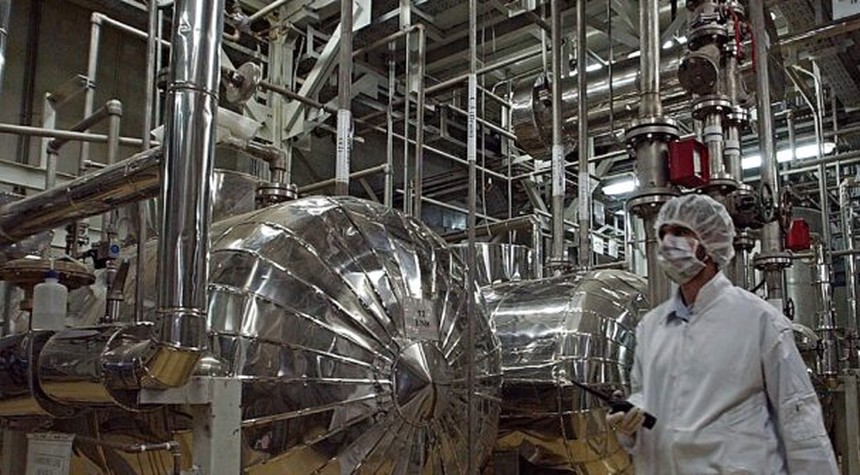
Iran has undertaken extensive fortification measures at its Isfahan nuclear complex in recent weeks, collapsing access tunnels and deploying explosive mines around facilities believed to house the bulk of its highly enriched uranium stockpile. The defensive actions introduce significant complications to negotiations between Washington and Tehran that President Trump indicated Saturday could produce a memorandum of understanding as early as Sunday.
The timing of these fortifications proves particularly consequential. The emerging framework under discussion would require Iran to reopen the Strait of Hormuz to international shipping and enter into technical negotiations regarding the dismantling of its nuclear program. In exchange, the United States would ultimately oversee the disposal or downblending of Tehran’s near-weapons-grade uranium, a material that represents the most critical component of any potential nuclear weapons capability.
Intelligence assessments indicate that Iran deliberately engineered the collapse of tunnel systems and placed explosive devices at entry points to the underground storage areas. The result is a substantially more dangerous and time-intensive operation should any attempt be made to access or remove the enriched material. This stands in stark contrast to conditions that existed mere weeks ago, when the administration was openly considering military options to secure the uranium cache.
The Isfahan complex has long been recognized by international observers as a central node in Iran’s nuclear infrastructure. Much of the regime’s uranium enrichment activity has been concentrated at this site, with substantial quantities of material stored in tunnel networks carved deep beneath the surface. The international community has monitored these facilities with considerable concern, particularly as Iran has incrementally increased enrichment levels closer to weapons-grade purity.
President Trump has maintained throughout recent negotiations that any comprehensive agreement must address the disposition of Iran’s enriched uranium stockpile. The material cannot simply remain under Iranian control with promises of future compliance. The physical removal, destruction, or downblending of this uranium represents a non-negotiable element of American policy.
The recent fortification efforts suggest Tehran may be positioning itself to retain greater control over this material than Washington envisions. By rendering the stockpile physically inaccessible without extensive engineering operations and demining efforts, Iran has created facts on the ground that could influence the terms of any final agreement.
The broader negotiations encompass not merely the nuclear question but the regional security architecture of the Middle East. The Strait of Hormuz, through which roughly one-fifth of global oil supplies transit, has been a pressure point in the standoff. Iran’s commitment to ensuring freedom of navigation through these waters represents a significant concession, though one that carries its own verification challenges.
As negotiations approach what may prove a critical juncture, the question remains whether the framework under discussion can adequately address the uranium stockpile issue given the new physical realities at Isfahan. The American position has been clear and consistent. The test now is whether Tehran’s recent actions represent negotiating tactics or a fundamental resistance to the terms the United States considers essential.
The coming days will reveal whether Sunday’s expected memorandum of understanding can bridge these differences or whether the fortifications at Isfahan signal deeper obstacles ahead.
Related: China Arrests American Scholar on Espionage Charges Following Trump Beijing Visit