
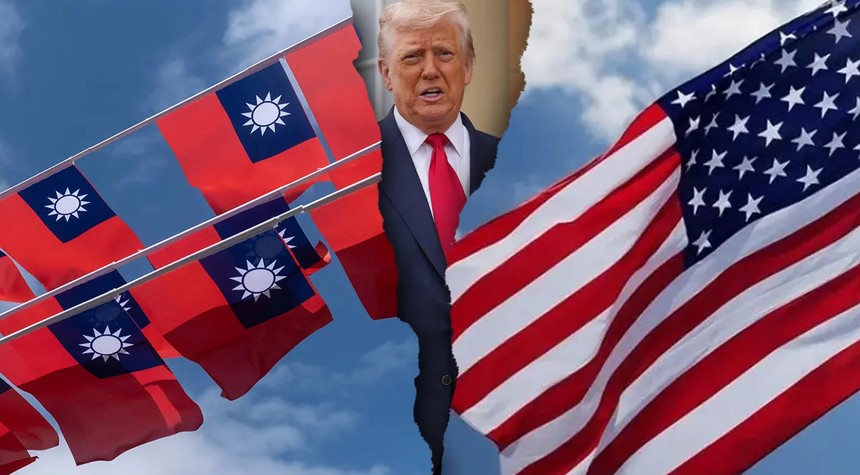
The Trump administration has announced a comprehensive arms package for Taiwan valued at more than $11 billion, marking what would become the largest single military sale in the history of American-Taiwanese defense relations.
The package, detailed Wednesday by the State Department, encompasses eight separate agreements covering advanced artillery systems, precision missiles, unmanned aerial vehicles, and supporting equipment. Congressional approval remains pending, though such sales typically receive bipartisan support given Taiwan’s strategic importance in the Indo-Pacific region.
The proposed sale includes 82 High Mobility Artillery Rocket Systems and 420 Army Tactical Missile Systems, weapons platforms that proved effective during the recent conflict in Ukraine. These systems alone account for more than $4 billion of the total package. An additional $4 billion would provide Taiwan with 60 self-propelled howitzer systems and associated equipment.
The agreement also provides for more than $1 billion in unmanned aerial systems, $1 billion in military software upgrades, and approximately $700 million in Javelin and TOW anti-tank missiles. Smaller components include helicopter spare parts valued at $96 million and refurbishment kits for Harpoon anti-ship missiles worth $91 million.
Should Congress approve the sale, it would surpass the previous record of $8.4 billion set during the Biden administration, reflecting an escalating American commitment to Taiwanese defense capabilities amid growing regional tensions.
The State Department characterized the sale as essential to American interests, stating it supports Taiwan’s efforts to maintain credible defensive capabilities and modernize its armed forces. Officials emphasized that strengthening Taiwan’s defense posture serves broader American national, economic, and security objectives in the Pacific theater.
China’s foreign ministry responded swiftly and predictably to the announcement. Senior officials in Beijing condemned the sale and reiterated their position that any movement toward Taiwanese independence remains futile regardless of external support. This reaction follows established patterns in Chinese diplomatic responses to American arms sales to the island nation.
The timing of this announcement carries particular significance. Military analysts have previously warned that American missile stockpiles could face rapid depletion in any sustained conflict with China, potentially exhausting critical munitions within days. This arms package appears designed to bolster Taiwan’s independent defensive capacity while American strategists reassess stockpile requirements.
Taiwan’s geographic position and its role in global semiconductor manufacturing make its security a matter of international economic concern beyond regional military considerations. The island produces the majority of the world’s advanced microchips, components essential to everything from consumer electronics to advanced weapons systems.
The sale requires a mandatory congressional review period, during which lawmakers may raise objections or seek modifications. However, given the strong bipartisan consensus on countering Chinese regional ambitions, approval appears likely.
This development represents another chapter in the complex triangular relationship between Washington, Taipei, and Beijing, where American policy seeks to maintain strategic ambiguity while providing Taiwan the means to defend itself against potential aggression.
Related: Trump Discusses Peace Efforts With Ten European Leaders on Ukraine Conflict