
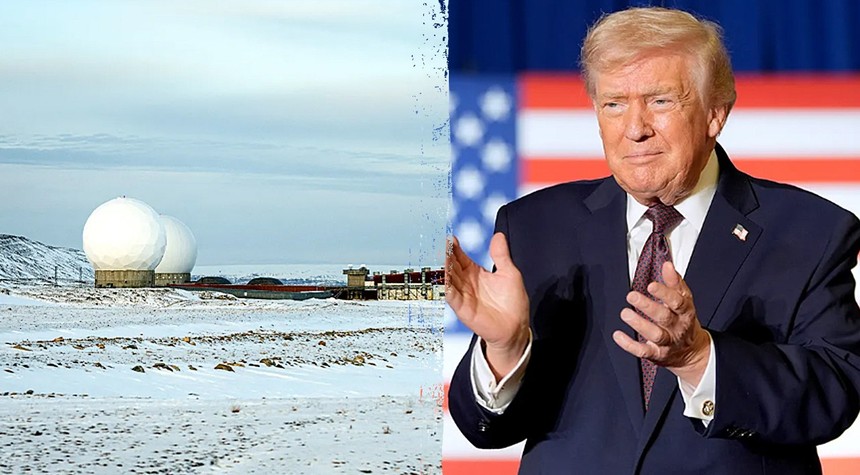
The United States has secured permanent military rights in Greenland through a comprehensive agreement finalized this week with Denmark and the semi-autonomous Arctic territory, marking a significant expansion of American strategic interests in the far north.
The agreement grants the United States indefinite access, basing, and overflight rights across Greenland, along with authorization to establish additional military installations as national security requirements dictate. According to senior administration officials, the arrangement carries no expiration date and requires no financial expenditure from American taxpayers.
The deal represents the culmination of President Donald Trump’s persistent emphasis on Greenland’s strategic value, a position he has maintained since his first term in office. For more than a century, American presidents have recognized the island’s geographic importance, yet none succeeded in formalizing arrangements of this scope and permanence.
“This historic deal is a huge win for the United States and the American people,” Secretary of State Marco Rubio stated. “Thanks to President Trump’s vision and leadership, this historic agreement permanently guarantees U.S. security interests in the Arctic at zero cost to the U.S. taxpayer.”
The agreement includes critical provisions barring China, Russia, and other non-NATO nations from establishing military installations or maintaining troop presence on Greenland. Additionally, the deal restricts adversarial powers from investing in sensitive economic sectors that could compromise American national security interests.
Greenland’s position in the Arctic has grown increasingly significant as both Russia and China have expanded their capabilities and presence in the region. The island sits astride crucial shipping lanes and holds substantial mineral wealth, factors that have drawn increased international attention as climate change renders Arctic waters more navigable.
The arrangement stops short of transferring sovereignty over Greenland from Denmark, yet administration officials emphasize that its permanent nature addresses the fundamental security concerns that motivated the President’s pursuit of greater American presence on the island. Notably, the agreement is structured to remain in force even should Greenland eventually achieve full independence from Denmark.
“Greenland will forever be part of the strategic defense area of North America and exclude any adversary from it and the surrounding area,” Rubio explained. “This deal permanently and completely addresses our national security concerns in Greenland.”
The United States has maintained a military presence in Greenland since World War II, most prominently through Thule Air Base in the island’s northwest. That installation has served as a crucial early warning station and aerospace defense facility throughout the Cold War and into the present era. This new agreement significantly expands upon that longstanding defense relationship, providing flexibility for enhanced American military infrastructure as strategic requirements evolve.
The timing of this agreement reflects growing concern in Washington about great power competition in the Arctic. As ice coverage diminishes and resource extraction becomes more feasible, both Russia and China have invested heavily in Arctic capabilities. Russia has reopened Soviet-era military bases along its northern coast, while China has declared itself a “near-Arctic state” and pursued economic inroads in the region.
For the American people, this development offers enhanced security without additional financial burden, a combination that aligns with the administration’s stated priorities of protecting national interests while maintaining fiscal responsibility. The agreement stands as a testament to patient diplomacy and clear strategic vision in addressing long-term security challenges.
And that is the way it is.
Related: Nine Women Found Dead in Two Months Outside Johannesburg Amid Femicide Crisis