
The Trump administration has escalated its diplomatic and military engagement with Nigeria this week, demanding immediate action to halt the systematic violence against Christian communities that has plagued Africa’s most populous nation for years.
President Trump expressed uncharacteristic anger during a radio interview Friday, calling the situation in Nigeria “a disgrace” and criticizing the Nigerian government for having “done nothing” to protect its Christian citizens from ongoing attacks. The president’s remarks followed a series of brutal incidents that have shocked international observers and prompted renewed scrutiny of America’s relationship with the West African nation.
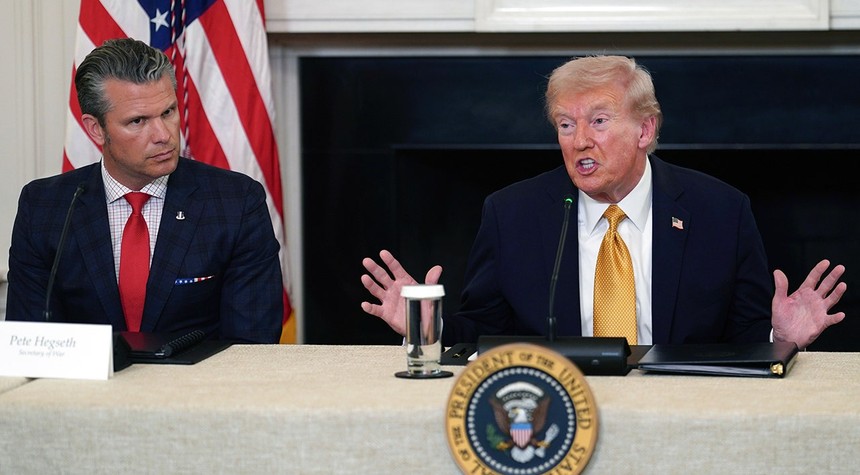
Defense Secretary Pete Hegseth conducted high-level meetings with Nigerian National Security Adviser Nuhu Ribadu last week, delivering what the Pentagon described as an emphatic message about the need for concrete action. According to official statements, Hegseth stressed that Nigeria must demonstrate genuine commitment to ending the violence and outlined the Department of Defense’s willingness to cooperate with Nigerian forces in combating terrorist organizations that threaten both Nigerian citizens and American interests in the region.
The administration has made clear that continued American aid to Nigeria hinges on measurable progress in protecting Christian communities. This represents a significant shift in American foreign policy toward the nation, which has long received substantial security assistance despite persistent concerns about religious persecution within its borders.
Nigerian officials have disputed the characterization that their government has been inactive on the matter, though they have not provided detailed accounts of specific protective measures implemented.
Jonathan Pratt, who directs the State Department’s Bureau of African Affairs, outlined a comprehensive approach during congressional testimony Thursday. The strategy encompasses security operations, law enforcement reforms, and economic development initiatives designed to address both the immediate threat and the underlying conditions that enable extremist violence to flourish.
Recent attacks underscore the urgency of the situation. On Friday, armed militants abducted more than three hundred children and twelve teachers from a Catholic school. Earlier this week, gunmen opened fire on worshippers at a church service, killing two congregants and kidnapping several others. These incidents represent only the latest in a long pattern of violence that has claimed thousands of lives over the past decade.
The primary perpetrators are the Islamist extremist group Boko Haram and its offshoot, the Islamic State of West Africa Province. While Christians bear the brunt of these attacks, Muslims from different Islamic traditions have also suffered violence at the hands of these radical organizations. The groups seek to establish strict Islamic governance across northern Nigeria and have demonstrated willingness to use mass murder, kidnapping, and intimidation to advance their objectives.
The situation presents complex challenges for American policymakers. Nigeria serves as a key regional partner in counterterrorism efforts across West Africa, yet the government’s apparent inability or unwillingness to protect religious minorities raises fundamental questions about the nature of that partnership.
The Trump administration’s approach signals a determination to prioritize the protection of persecuted Christians in American foreign policy calculations. Whether this pressure campaign will produce meaningful change in Nigeria remains to be seen, but the administration has made unmistakably clear that continued inaction will carry consequences for the bilateral relationship between Washington and Abuja.
Related: United States Faces International Criticism for Boycotting Johannesburg G20 Summit