
A diplomatic impasse has emerged between Washington and Tehran as Iranian officials flatly denied President Donald Trump’s assertion that Iran’s government requested a ceasefire in the ongoing military confrontation.
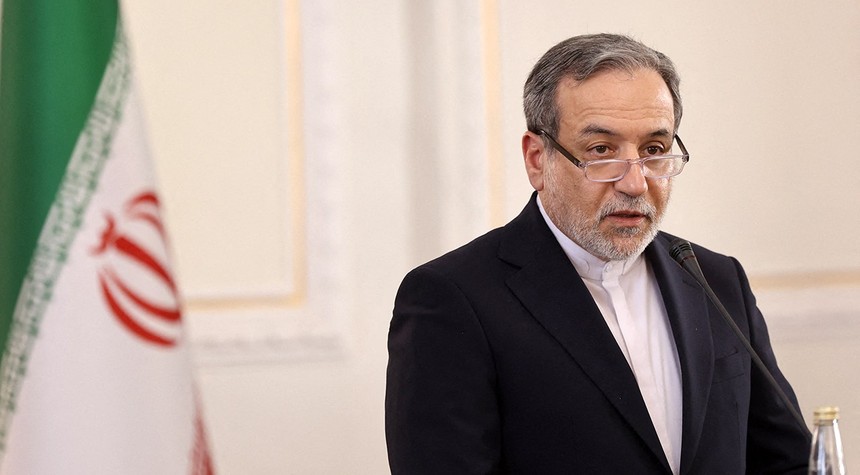
Esmail Baghaei, spokesman for Iran’s Foreign Ministry, called the president’s claim “false and baseless” in remarks broadcast on Iranian state television Wednesday. The denial came within hours of Trump’s social media statement declaring that Iran had sought to halt hostilities.
The president’s original statement, posted Wednesday morning, characterized Iran’s leadership in notably different terms than his previous assessments. Trump described Iran’s current president as “much less Radicalized and far more intelligent than his predecessors” while simultaneously asserting that the United States would continue military operations until specific conditions were met.
“Iran’s New Regime President has just asked the United States of America for a ceasefire,” Trump wrote. “We will consider when Hormuz Strait is open, free, and clear. Until then, we are blasting Iran into oblivion or, as they say, back to the Stone Ages.”
The Strait of Hormuz remains at the center of this confrontation. This narrow waterway, through which approximately one-fifth of the world’s petroleum passes, has long represented a strategic pressure point in Middle Eastern affairs. Any disruption to shipping through the strait carries significant implications for global energy markets and international commerce.
Earlier this week, the president indicated that American military operations against Iranian targets would conclude within two to three weeks, though he provided no detailed timeline or specific objectives for determining mission completion.
The conflicting narratives from Washington and Tehran underscore the difficulty in establishing clear communication channels between the two nations, which have not maintained formal diplomatic relations since 1980. Without direct dialogue, statements issued through public channels and state media have become the primary means of conveying positions, creating opportunities for misunderstanding or deliberate mischaracterization.
The White House has faced questions about the legal framework governing the military action. When pressed by reporters about whether the president’s stated objectives might constitute violations of international law, White House Press Secretary Karoline Leavitt defended the administration’s position, though the specific legal justifications for the ongoing operations remain subjects of debate among international law scholars.
What remains clear is that both governments continue to stake out uncompromising public positions. The United States insists on unimpeded access to the Strait of Hormuz as a precondition for any negotiation, while Iran denies seeking negotiations altogether. This deadlock leaves little room for diplomatic resolution in the immediate term, even as military operations continue to escalate.
The international community watches these developments with considerable concern, given the strategic importance of the region and the potential for wider conflict. How this confrontation resolves will likely shape Middle Eastern dynamics and American foreign policy for years to come.
Related: Pakistan and China Present Five Point Peace Plan for Middle East as War Continues