
The United States finds itself once again confronting the persistent threat of terrorism in the Middle East following a deadly attack that claimed the lives of two American soldiers and a civilian interpreter in Syria.
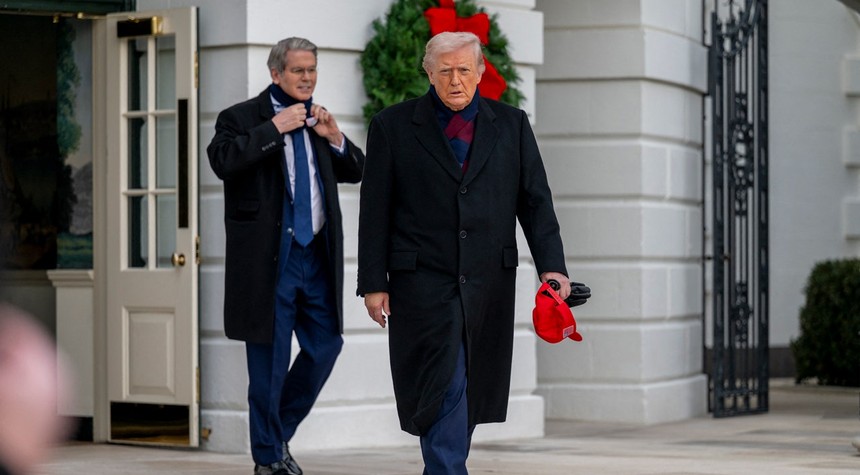
President Donald Trump, speaking to reporters before departing for the Army-Navy football game Saturday afternoon, confirmed that American forces were ambushed by a lone ISIS gunman in what he described as a dangerous region not fully under Syrian government control. Three additional soldiers sustained injuries in the attack but are reported to be recovering.
The incident occurred while the soldiers were conducting what military officials termed a “key leader engagement,” part of ongoing counter-terrorism operations in the region. The gunman was subsequently killed by partner forces, according to Secretary of War Pete Hegseth.
In a statement posted to social media following his initial remarks, the president left no ambiguity regarding America’s response. “There will be very serious retaliation,” Trump wrote, characterizing the incident as an ISIS attack against both the United States and Syria.
The president noted that Syrian President Ahmed al-Sharaa expressed significant anger over the attack, suggesting a level of cooperation between Washington and Damascus that would have seemed improbable in previous years. The coordination between American forces and Syrian authorities represents a notable shift in the complex dynamics of Middle Eastern politics.
The wounded soldiers were evacuated by helicopter to the al-Tanf garrison, a strategic American outpost situated near Syria’s borders with Iraq and Jordan. This location has long served as a critical point in American efforts to maintain pressure on remnant ISIS forces and monitor Iranian influence in the region.
Chief Pentagon spokesperson Sean Parnell emphasized that the soldiers were engaged in legitimate counter-terrorism operations when the attack occurred, underscoring the continued necessity of American presence in this volatile theater despite years of debate over troop levels in Syria.
The names of the fallen soldiers and their unit identifications are being withheld pending notification of next of kin, a somber reminder of the human cost of America’s ongoing commitments abroad.
As of mid-year, approximately fifteen hundred American troops remained deployed in Syria, with Pentagon directives calling for further reductions to several hundred personnel by year’s end. These numbers, while significantly lower than peak deployment levels, demonstrate the enduring challenge of fully eliminating terrorist threats in the region.
The attack serves as a stark reminder that despite the territorial defeat of the ISIS caliphate years ago, the ideology and organizational remnants continue to pose genuine threats to American personnel and interests. The group’s ability to conduct attacks, even with diminished capacity, underscores the complexity of declaring victory in counter-terrorism operations.
The incident also raises questions about the future of American military presence in Syria and the broader region. While successive administrations have sought to reduce American footprints in Middle Eastern conflicts, events such as Saturday’s attack demonstrate the risks inherent in premature withdrawal.
For now, the nation mourns the loss of two soldiers who gave their lives in service to their country, while awaiting the promised American response to those responsible for their deaths.
Related: ISIS Gunman Kills Two American Troops and Civilian in Attack Near Palmyra