
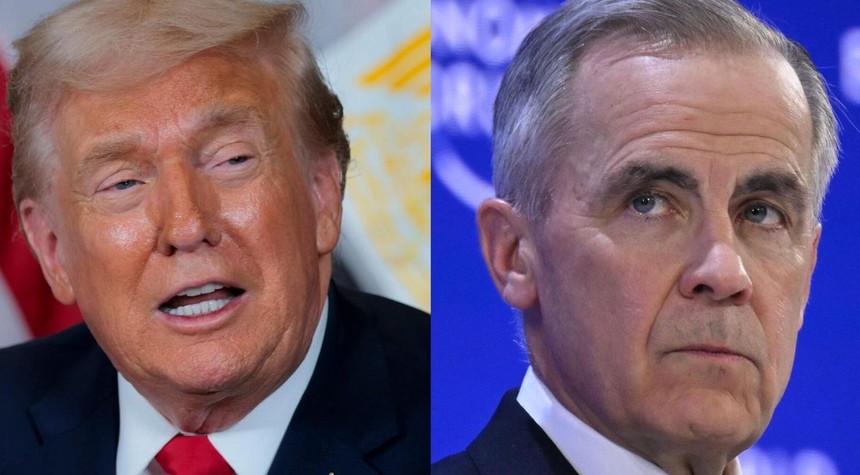
The Trump administration announced Tuesday a comprehensive ban on Canadian motorcycles, select dairy products, and most alcoholic beverages, marking a significant escalation in the trade dispute between the two North American neighbors. The measures take effect September 29th at one minute past midnight.
These actions arrive less than one day after Canada imposed substantial tariffs on twenty billion dollars worth of American goods, itself a response to equivalent U.S. tariffs levied against Canadian products. What has emerged is a cycle of retaliatory trade measures between nations that have maintained one of the world’s most integrated commercial relationships for generations.
Senior administration officials briefed reporters Tuesday evening on the scope of the new restrictions. Beyond the alcohol ban, the United States will prohibit imports of Canadian motorcycles, whey, molasses, and nonalcoholic beer beginning next week. Additionally, the administration will impose a fifty percent tariff on Canadian cheese, steel, aluminum, and bamboo furniture starting Tuesday.
In what may signal some flexibility in the administration’s approach, existing tariffs on toilet paper, cement, and fishing rod components have been terminated following additional government analysis of their economic impact.
The White House has accused Canadian officials of abandoning good faith negotiations and refusing to remove trade barriers during eleventh-hour discussions aimed at preventing this month’s tariff implementation. According to administration statements, Canada “ceased negotiating in good faith” and “did not remove” the trade obstacles that precipitated this crisis.
Canadian Prime Minister Mark Carney has pledged to match American tariffs on a dollar-for-dollar basis. Several Canadian provinces have maintained boycotts of American alcohol products that commenced last month, adding another layer to this commercial conflict.
Despite the deteriorating situation, administration officials maintain that diplomatic channels remain open. A senior official stated that Canada has expressed interest in finding an “alternative pathway” forward, and the United States continues to welcome negotiation.
However, the administration has drawn firm lines. President Trump will not withdraw a fifty percent tariff on all Canadian automotive imports, trucks, auto parts, and steel scheduled to take effect January first, 2027, unless an agreement is reached beforehand.
The President stated Tuesday that Canadian-made products would be banned from federal government contracts unless Canada opens its markets to American imports. He has specifically targeted Bombardier, the Montreal-based aircraft manufacturer, threatening to ban sales of their products in the United States. Writing on his social media platform, the President declared the company’s products insufficient quality and demanded they relocate manufacturing to American soil.
This position has created tension within the President’s own party. Republican Senators Roger Marshall and Jerry Moran of Kansas have publicly defended Bombardier, noting the company operates nine major facilities across the United States and employs thousands of American workers. The company maintains significant operations in Kansas, where it provides more than twelve hundred jobs.
The escalating trade war presents serious questions about the future of North American commerce. These two nations share the world’s longest undefended border and have built deeply interconnected supply chains across numerous industries. The economic consequences of prolonged trade restrictions could prove substantial for businesses and consumers on both sides of that border.
What remains to be seen is whether either nation will find the political will to step back from this precipice before lasting damage is done to a partnership that has served both countries well for decades.
Related: Oxford University to Return Remains of 39 Indians Taken During Colonial Era