
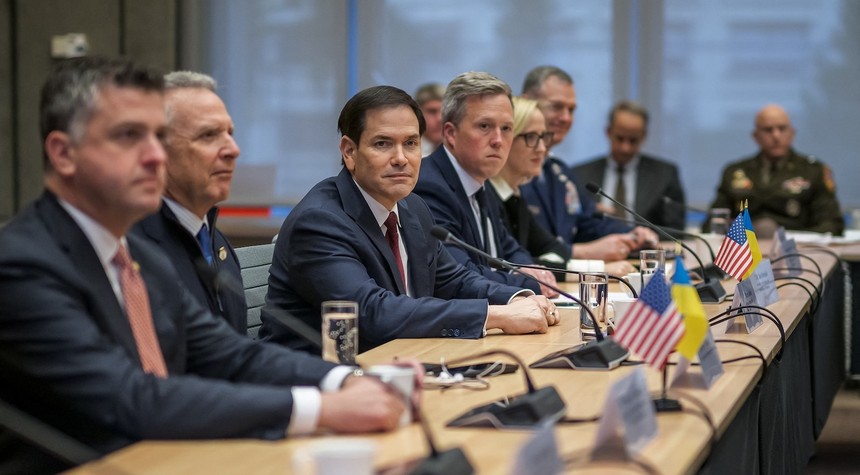
American, Ukrainian, and European officials gathered in Geneva, Switzerland on Sunday for what Secretary of State Marco Rubio characterized as the most substantial progress yet toward ending the war in Ukraine.
Speaking to reporters at the U.S. Mission in Geneva, Rubio described the discussions as “probably the most productive and meaningful meeting we’ve had so far in this entire process since we became involved.” The meetings centered on an American peace proposal presented to Kyiv earlier this week, a plan that has drawn criticism from some quarters as overly favorable to Russian interests.
The diplomatic gathering brought together a substantial American delegation including Rubio, Army Secretary Daniel P. Driscoll, special envoy Steve Witkoff, Ambassador to Ukraine Julie Davis, presidential adviser Jared Kushner, and NATO Supreme Allied Commander General Alexus Grynkewich, among others. The composition of the delegation signals the administration’s serious commitment to achieving a negotiated settlement.
Rubio acknowledged that any final framework would require approval from both President Trump and Ukrainian President Volodymyr Zelenskyy, but expressed confidence that both leaders would find the emerging terms acceptable. “We’re making some changes and adjustments in hopes of further narrowing the differences and getting closer to an outcome that both Ukraine and the United States can be comfortable with,” the Secretary stated.
Initial meetings between Army Secretary Driscoll and Ukrainian officials on Saturday evening were described by American officials as positive and constructive, setting a productive tone for Sunday’s more formal engagements between the delegations.
President Trump, speaking to reporters on Saturday, indicated flexibility in the American position. When asked whether the current proposal represented his final offer, the President simply replied, “No.” He added, “We’d like to get to peace. One way or another we’ll get it ended.”
However, by Sunday the President had adopted a more critical tone, expressing frustration with what he termed Ukraine’s lack of gratitude for American efforts and noting that European nations continue purchasing Russian oil even as they call for support of Ukraine.
From the Ukrainian side, Andriy Yermak, who heads President Zelenskyy’s office and leads the Ukrainian delegation, described his team as approaching the talks “in a very constructive mood.” Rustem Umerov, head of Ukraine’s National Security and Defense Council, offered cautious optimism, noting that while proposals remain unfinalized, they “include many Ukrainian priorities.”
The Swiss meetings represent a critical juncture in efforts to end a conflict that has reshaped European security and tested Western resolve. The presence of high-level American military and diplomatic officials underscores the administration’s determination to broker an agreement, though significant differences clearly remain between the parties.
What emerges from Geneva in the coming days may well determine the trajectory of European security for years to come. The challenge facing negotiators is finding terms that satisfy Ukrainian sovereignty concerns while providing the Trump administration with the swift resolution it seeks.
Related: United States Faces International Criticism for Boycotting Johannesburg G20 Summit