
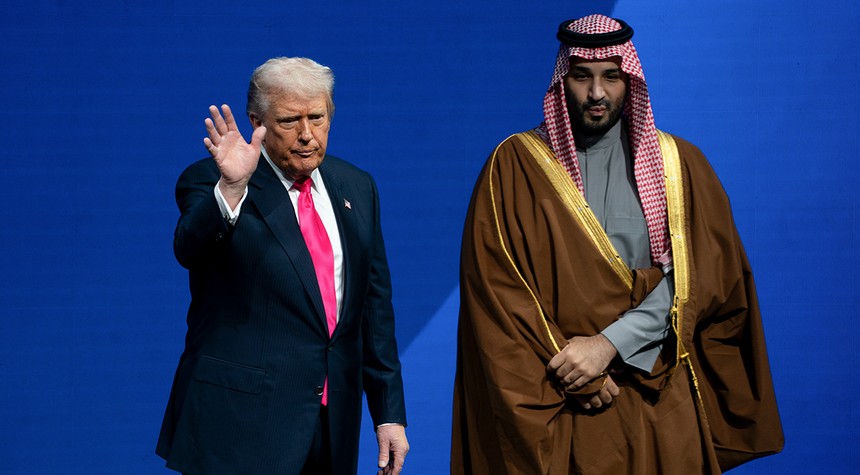
Representative Eugene Vindman of Virginia has called for the release of a 2019 telephone conversation between President Donald Trump and Saudi Crown Prince Mohammed bin Salman, arguing that the American people have a right to know what was discussed in the period following the murder of journalist Jamal Khashoggi.
The demand comes as the United States deepens its strategic partnership with the Kingdom of Saudi Arabia, raising familiar questions about the balance between national security interests and accountability in American foreign policy.
Vindman, a retired Army colonel who previously served on the National Security Council, made his appeal standing alongside Hanan Elatr Khashoggi, the widow of the slain journalist. He characterized the 2019 Saudi call as one of two conversations during the Trump administration that raised serious concerns for him, the other being the call with Ukrainian President Volodymyr Zelenskyy that led to the first impeachment proceedings against Trump.
“The Khashoggi family and the American people deserve to know what was said on that call,” Vindman stated. “Our intelligence agencies concluded that Crown Prince Mohammed bin Salman ordered the murder of Mr. Khashoggi’s husband. When the president sidelined his own intelligence community to shield a foreign leader, America’s credibility was at stake.”
The congressman’s involvement in this matter carries considerable political weight. Vindman and his twin brother, Lieutenant Colonel Alexander Vindman, became central figures in the first impeachment attempt against Trump. Their internal reporting of the Ukraine call prompted accusations from conservatives that they had undermined an elected president. To Trump’s supporters, this latest demand appears to be another attempt by a former National Security Council insider to damage the president under the guise of transparency.
The request arrives at a significant juncture in American-Saudi relations. The Trump administration has secured substantial defense and investment agreements with the kingdom, and the United States has granted Saudi Arabia major non-NATO ally status, formally elevating the partnership in defense and intelligence cooperation.
Secretary of State Marco Rubio defended the approach with characteristic directness. “The U.S.-Saudi friendship is now a partnership for the future,” Rubio said. “President Trump’s historic agreements with the Kingdom of Saudi Arabia, from defense to investment, will create quality jobs for Americans and will grow our economy. No virtue-signaling. No lecturing. Only results for the American people.”
President Trump himself addressed the matter with equal candor. “I don’t give a hell where that hand’s been. I grab that hand,” Trump told reporters, referring to his interactions with the crown prince.
This situation exemplifies a longstanding tension in American foreign policy: the conflict between strategic security and economic interests on one hand, and accountability and human rights considerations on the other. The Khashoggi case remains a troubling chapter in U.S.-Saudi relations, with American intelligence agencies having concluded that the crown prince ordered the journalist’s murder.
As Washington moves forward with expanded cooperation with Riyadh, these questions persist. The American people must weigh the tangible benefits of strategic partnerships against the principles that have traditionally guided American foreign policy. Whether transparency will be forthcoming on the 2019 call remains to be seen, but the debate itself reflects deeper questions about how America conducts its affairs on the world stage.
Related: Taxpayer-Funded News Agency Liquidates Millions in Equipment at Fire Sale Prices