
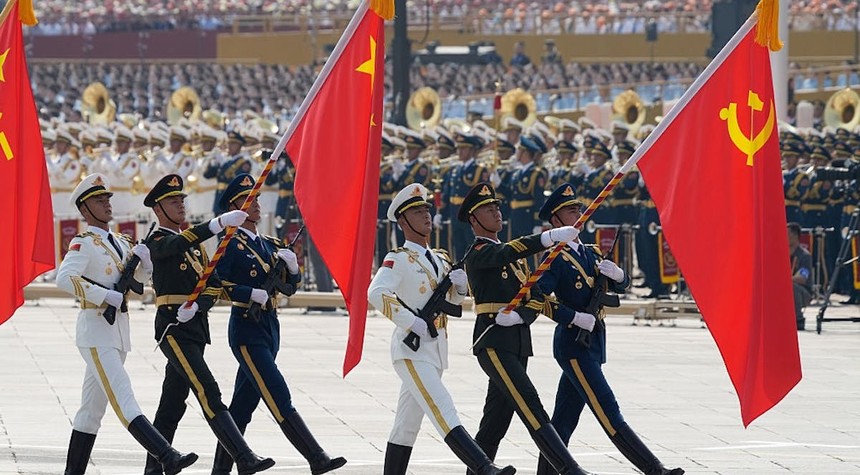
A comprehensive survey of Western public opinion reveals profound concern on both sides of the Atlantic about China’s intentions for reshaping the global order and its aggressive pursuit of technological dominance.
The polling, conducted between October 7 and 25, surveyed 4,000 adults equally distributed among the United States, United Kingdom, France, and Germany, with an additional 500 respondents in Belgium. The margin of error stands at 3.1 percent for each country’s sample.
The findings paint a picture of remarkable consensus among Western populations regarding the Chinese challenge. Seventy-nine percent of Americans view China as a threat to their economic well-being, while eighty percent express concern about national security implications. Europeans mirror these sentiments almost exactly, with seventy-eight percent citing economic concerns and seventy percent worried about security threats.
Perhaps most striking is the near-universal alarm about Chinese cyber capabilities. Ninety-one percent of Americans expressed concern about Chinese cyberattacks on critical infrastructure, matched by ninety percent of Europeans holding the same view.
The survey also revealed widespread anxiety about China’s diplomatic strategy. Eighty-seven percent of Americans worry about Beijing building alliances with non-Western nations to create a counterweight to Western influence. Europeans share this concern in numbers ranging from eighty percent in Belgium to eighty-nine percent in France.
These polling results emerge at a critical juncture. The Trump administration has made technological leadership, particularly in artificial intelligence, a cornerstone of its strategic policy. The administration has simultaneously encouraged European partners to prioritize innovation and resist regulatory frameworks that might impede development in this crucial sector.
Vice President JD Vance articulated this vision at an artificial intelligence summit in France in February, emphasizing America’s ambition to lead in AI development while extending partnership to European allies. His message was clear: American leadership need not mean American isolation.
The transatlantic consensus reflected in this polling suggests fertile ground for such cooperation. The data demonstrates that ordinary citizens across the Western world recognize the stakes involved in maintaining technological and economic competitiveness with China.
What remains to be seen is whether this public sentiment will translate into sustained political will and investment. The challenge posed by China is multifaceted, encompassing economic competition, technological innovation, military modernization, and diplomatic maneuvering. Meeting it will require resources, coordination, and resolve from Western democracies.
The polling memo accompanying the survey data emphasizes that respondents are “deeply worried about China’s plans to create a new global order and its technological threat to Western nations.” This is not merely abstract geopolitical anxiety but concrete concern about economic prosperity and national security.
As the competition for technological supremacy intensifies, particularly in artificial intelligence and other emerging technologies, the question facing Western leaders is whether they can harness this public concern into effective policy. The numbers suggest their populations are ready to support necessary investments to maintain the West’s competitive edge.
And that is the way it is.
Related: Immigration Services Tightens Employment Authorization in Security Push