
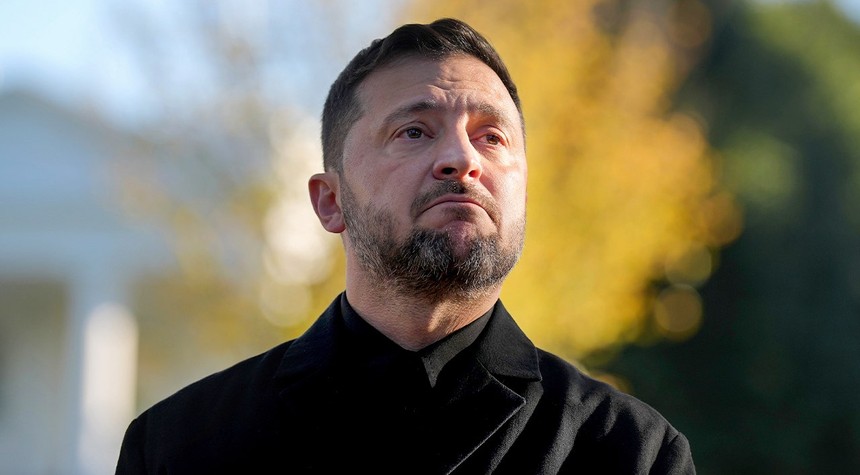
Ukraine may hold its first elections since Russia’s invasion began in February 2022, a significant development emerging from mounting pressure by President Donald Trump on Ukrainian President Volodymyr Zelenskyy to demonstrate democratic legitimacy.
President Trump stated it was “an important time to hold an election” as Ukraine works toward securing a negotiated settlement to end the nearly four-year conflict with Russia. The American president’s remarks carry particular weight given his administration’s central role in brokering peace talks between the warring nations.
Zelenskyy has now indicated his country could conduct elections within 60 to 90 days, provided Western partners deliver concrete security guarantees. The Ukrainian leader faces two substantial obstacles: establishing adequate security measures and reforming the legislative framework that currently prohibits elections during martial law.
“Moreover, I am now asking—and I am stating this openly—for the United States, possibly together with our European colleagues, to help me ensure security for holding elections,” Zelenskyy told reporters. “And then, within the next 60–90 days, Ukraine will be ready to hold them.”
The Ukrainian president, whose term was scheduled to end in May 2024, has requested lawmakers from his party to develop legislative proposals permitting elections while martial law remains in effect. Ukraine has operated under martial law continuously since the Russian invasion began, and Ukrainian law explicitly forbids elections under such circumstances. This legal prohibition has provided Zelenskyy with justification for postponing the vote, a position that has enjoyed broad support among the Ukrainian population.
President Trump’s pointed criticism appears to have catalyzed Zelenskyy’s shift in position. The American president has previously characterized Zelenskyy as “a dictator without elections” and warned that Ukraine risks losing its democratic character entirely.
“They haven’t had an election in a long time,” Trump said. “You know, they talk about a democracy, but it gets to a point where it’s not a democracy anymore.”
The election question has become intertwined with broader peace negotiations that have proven challenging. The Trump administration recently presented a 28-point peace proposal that Ukrainian and European officials deemed excessively accommodating to Russian demands. Ukrainian representatives subsequently met with White House envoy Steve Witkoff to revise the framework.
Trump has also suggested Zelenskyy has not remained sufficiently engaged with the peace process, claiming the Ukrainian president had not reviewed the White House’s most recent proposal.
The situation presents a delicate balance for American foreign policy. The United States has invested substantial resources in supporting Ukraine’s defense against Russian aggression while simultaneously seeking to broker a negotiated end to the conflict. The question of democratic legitimacy adds another dimension to these already complex diplomatic efforts.
For Ukraine, conducting elections during active hostilities would represent an unprecedented challenge, requiring not only security arrangements but also mechanisms to ensure millions of displaced citizens and military personnel can participate in the democratic process.
The coming months will reveal whether Western security guarantees prove sufficient to enable Ukraine’s return to electoral politics, and whether such elections can proceed while the nation remains locked in an existential struggle for its sovereignty and territorial integrity.
Related: Taliban Detains Four Afghan Men for Dressing Like Characters from British Television Series