
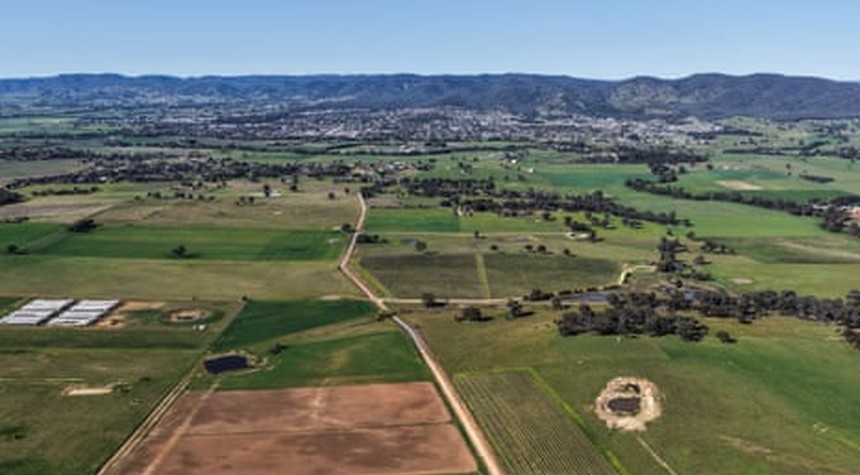
An Aboriginal rock shelter of significant cultural importance has been destroyed beyond recovery during construction of transmission infrastructure for a renewable energy project in New South Wales, prompting investigations and calls for accountability from indigenous community members and government officials alike.
The heritage site, located approximately 300 kilometers northwest of Sydney, was demolished by bulldozers this past March as contractors built access tracks for the Central-West Orana renewable energy zone. The destruction went unnoticed until May, when Acerez, the network company contracted by the state government to design, build, and operate the infrastructure project, discovered the damage during routine due diligence checks.
According to public records, the site consisted of a rock shelter measuring four meters by two meters that would have provided protection from rain, slope wash, and westerly winds. Archaeological experts believed the shelter potentially contained significant archaeological deposits.
A spokesperson for Acerez acknowledged that protective processes “were not fully implemented” and issued an apology to traditional owners and the local community. However, the company’s expression of regret has done little to address the permanent loss of irreplaceable cultural heritage.
Thomas Dahlstrom, a Wiradjuri, Tubba-Gah and Gamilaraay man, described experiencing a profound sense of loss upon learning of the destruction. He expressed shock and anger, stating that the reality of the shelter’s permanent disappearance has been difficult to accept. Dahlstrom emphasized that statements of regret prove insufficient and called for harsh penalties to ensure such incidents do not recur.
The incident has raised serious questions about the adequacy of heritage protection measures in major infrastructure projects. The destroyed shelter had been specifically identified in the project’s approval conditions and included in the contractor’s heritage management plan. Project documentation explicitly stated that micro-siting strategies to avoid or minimize impact to the site would be investigated prior to construction, in consultation with Aboriginal heritage specialists.
New South Wales Minister for Climate Change, Energy, Heritage and the Environment Penny Sharpe characterized the destruction as completely unacceptable, stating she was furious about the incident. Both the company and state government have launched investigations to determine how and why the shelter was destroyed despite existing safeguards.
EnergyCo, the state government corporation responsible for delivering the renewable energy zone, confirmed that Acerez failed to conduct its work in accordance with agreed management plans and heritage protection measures. The corporation has formally notified Acerez of its failure to comply with contractual obligations.
Federal independent member of parliament Andrew Gee called the incident appalling and demanded the resignation of Acerez’s chief executive. He emphasized that the loss represents not merely regional cultural heritage but irreplaceable national cultural heritage now gone forever.
The destruction highlights the ongoing tension between infrastructure development and cultural preservation in Australia. As the nation pursues ambitious renewable energy goals, this incident serves as a stark reminder that progress must not come at the expense of protecting indigenous heritage sites that connect contemporary Australians to thousands of years of human history.
The investigations continue, with outcomes expected to determine whether existing heritage protection frameworks require strengthening to prevent similar losses in future development projects.
Related: International Divers Discover Five Survivors in Flooded Laotian Cave