
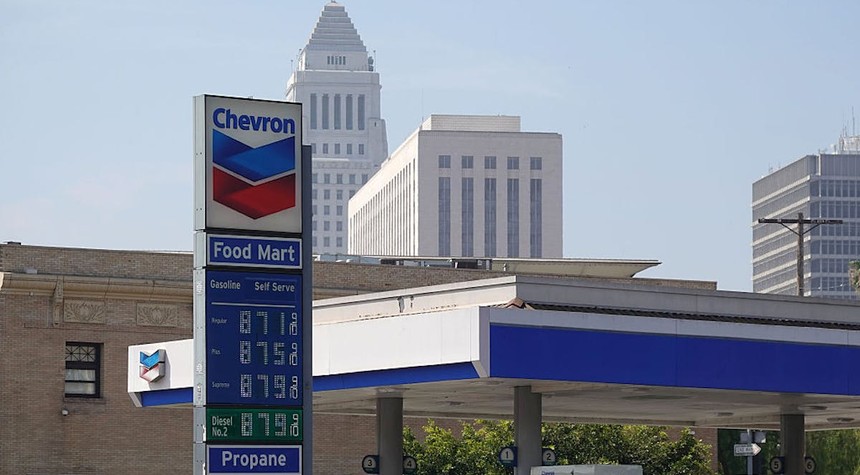
Chevron Corporation announced Wednesday a commitment exceeding $7 billion to expand its Venezuelan operations substantially, marking the first major corporate validation of President Trump’s effort to revive oil production in the troubled South American nation.
The investment represents a calculated wager by one of America’s largest energy companies that Venezuela’s interim government can provide the stability necessary for long-term petroleum development. Chevron aims to produce approximately 600,000 barrels of oil daily by 2031, more than doubling its current Venezuelan output of 280,000 barrels per day.
The company has received assignments for two additional oil fields in Venezuela’s Orinoco Belt, home to some of the world’s largest deposits of extra-heavy crude. Chevron Chief Executive Mike Wirth stated Wednesday that the expanded position reflects confidence in the nation’s resource potential and its ability to compete for investment capital for decades to come.
This announcement follows closely upon President Trump’s declaration last Friday of what he termed the largest oil deal in world history with Venezuela. That broader agreement grants American interests majority control over more than 65 billion barrels of Venezuelan reserves. The administration has partnered with North American Blue Energy Partners to develop 17 oil fields, with Venezuela’s interim government providing 100-year concessions and the Defense Department receiving a 35 percent equity stake.
Chevron’s commitment provides crucial momentum toward transforming diplomatic agreements into actual petroleum production. The company stands alone among major American oil firms in maintaining significant Venezuelan operations. Its presence there extends back to 1923, surviving both the 1976 nationalization of Venezuela’s oil industry and subsequent tightening of state control under socialist President Hugo Chávez.
That staying power distinguishes Chevron from competitors who chose different paths. Both ExxonMobil and ConocoPhillips departed Venezuela in 2007 after Chávez compelled foreign oil companies into state-controlled joint ventures and seized the assets of those who refused. ExxonMobil Chief Executive Darren Woods stated in January that Venezuela remained uninvestable even after the military operation that removed dictator Nicolás Maduro from power.
Chevron’s Wirth, however, cited substantial improvements in the investment climate following the interim government’s enactment of a new hydrocarbons law. These reforms modified taxes, royalties, and other production terms, transforming Venezuela from an uncompetitive option into an attractive opportunity within the company’s global portfolio.
The divergent responses from American energy companies reflect broader questions about Venezuela’s trajectory. Chevron’s willingness to commit billions suggests confidence that the interim government possesses sufficient authority and intent to honor contractual obligations over decades. That confidence carries significant implications not merely for corporate balance sheets but for the Trump administration’s broader Western Hemisphere strategy.
Venezuela possesses the world’s largest proven oil reserves, yet production collapsed during two decades of socialist mismanagement and international sanctions. Reviving that production capacity serves multiple American interests: increasing global oil supply, providing economic alternatives to hostile petroleum exporters, and potentially lowering fuel costs for American consumers.
Whether Chevron’s confidence proves justified will depend upon factors beyond geology and engineering. Political stability, infrastructure restoration, and consistent application of commercial law remain essential prerequisites for the sustained production increases the company envisions.
Related: Federal Court Strips Naturalized Citizenship From Indian Immigrant After Rape Conviction