
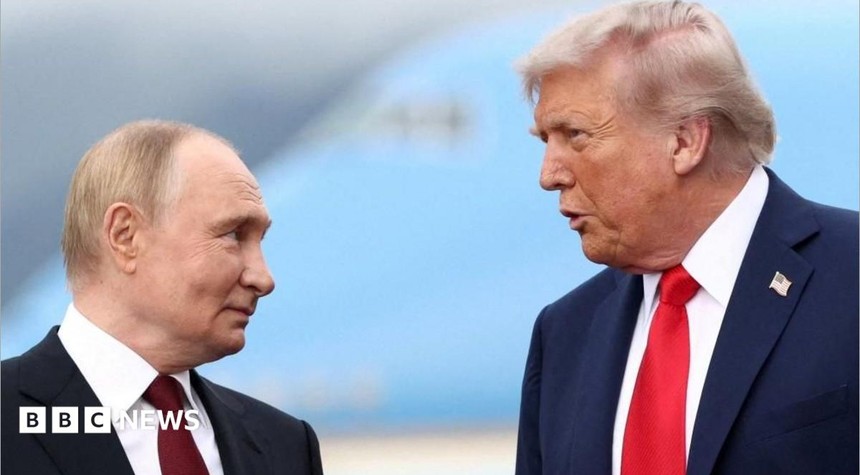
President Donald Trump suspended sweeping sanctions against Russia late Friday evening, just two days before their scheduled implementation, marking a significant shift in American policy that has drawn criticism from both parties in Congress and escalated tensions with Ukrainian President Volodymyr Zelensky.
The sanctions in question were passed by the United States Congress and signed into law by President Trump himself in September. The executive order issued Friday states that suspending portions of these measures serves the national interest of the United States. Secretary of State Marco Rubio announced that the suspension would constitute a sixty-day pause, permitting the administration to conduct a thorough analysis of potential impacts on both American and global economic stability.
The scope of the original sanctions legislation was considerable. The law granted the president authority to impose tariffs up to one hundred percent on imports from the five largest purchasers of Russian oil and gas. This provision would have primarily affected China and India, the most significant consumers of Russian energy exports. Additional measures targeted senior Russian government officials, including President Vladimir Putin, Russian financial institutions, and Moscow’s so-called shadow fleet of vessels employed to circumvent existing embargoes.
Russian envoy Kirill Dmitriev characterized the suspension as an important and historic moment, asserting that the sanctions would have inflicted serious damage on both American and global markets.
The decision arrives amid deteriorating relations between Washington and Kyiv. Last week, the Trump administration negotiated a controversial agreement to import Russian diesel fuel, a move that Ukraine views as undermining its strategic position. Ukrainian officials have further accused the administration of withdrawing critical military support at a pivotal moment in their conflict with Russia.
President Zelensky responded Saturday morning with measured but unmistakable disappointment. He stated that the sanctions could have helped enormously in bringing the war to an end and emphasized that the law was designed to impose effective pressure on Russia. His statement followed Russian overnight attacks on fifteen Ukrainian energy facilities that caused widespread power outages across several regions.
Russia is attempting to cause a blackout in Ukraine immediately before winter, Zelensky noted, adding that it remains important for everyone in America to see what is actually happening on the ground.
The diplomatic friction became public at a recent European Union summit, where Zelensky remarked it was pleasant to be among real leaders. This comment followed President Trump’s assertion that Zelensky was more difficult to deal with than President Putin.
The suspension has generated significant opposition on Capitol Hill. Democratic Congressman Don Beyer of Virginia accused the president of capitulating to Moscow and abandoning Kyiv. However, criticism extended beyond partisan lines. Texas Senator Ted Cruz, typically a strong Trump ally, called waiving the sanctions a mistake and suggested alternative methods for addressing fuel prices. His fellow Texan, Senator John Cornyn, termed the decision reckless. North Carolina Senator Thom Tillis characterized it as beyond irresponsible.
The situation presents a complex challenge for American foreign policy. The administration must balance domestic economic concerns, particularly energy prices, against strategic commitments to Ukraine and broader containment of Russian influence. The sixty-day review period will prove critical in determining whether this suspension represents a temporary recalibration or a fundamental shift in American policy toward the ongoing conflict in Eastern Europe.
Related: France Detains Record 855 as Protests Turn Violent Across Major Cities