
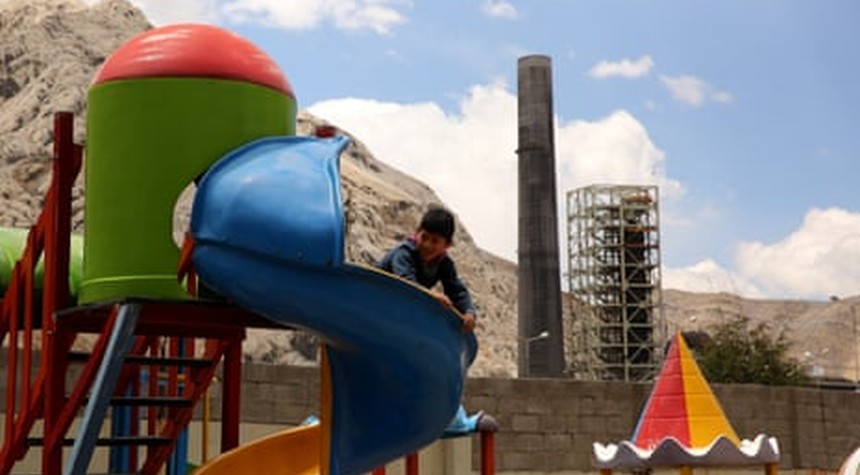
A Peruvian cardinal who endured death threats and sustained harassment during his campaign against American mining operations in the Andes has characterized a $150 million settlement as a historic achievement in environmental justice, though he acknowledges it cannot fully restore what was taken from more than a thousand poisoned children.
Cardinal Pedro Barreto, 82 years old, was in Rome conducting meetings with Pope Leo XIV and fellow cardinals this past June when he learned that Doe Run Company, a subsidiary of the Renco Group, had agreed to pay $150 million to 1,373 Peruvians who suffered documented health impacts from childhood exposure to the company’s smelter operations.
The settlement concludes a 19-year legal battle that saw Barreto, the former archbishop of Huancayo in the Peruvian Andes, prepare to testify in civil trials scheduled in St. Louis, Missouri. The Doe Run Company is owned by American billionaire Ira Rennert, who also serves as chairman of the Renco Group.
“This is a historic milestone,” Barreto stated. “But this long-awaited justice does not solve the problem faced by many children who were personally affected, especially neurologically. The money will not compensate for the harm they have suffered, but it is a sign that justice has been served.”
The case centers on the Andean town of La Oroya, where Doe Run operated a smelter that produced severe health consequences for the local population. The Blacksmith Institute, an American environmental organization now operating under the name Pure Earth, documented the extensive contamination.
For nearly two decades, Cardinal Barreto led the campaign to hold the American corporation accountable. His advocacy came at considerable personal cost. The cardinal faced a sustained campaign of intimidation, including death threats designed to silence his efforts on behalf of the affected community.
The settlement represents a significant moment in the broader question of corporate accountability when American firms operate in developing nations. The case illustrates the complexities that arise when economic development intersects with environmental protection and public health in regions where regulatory frameworks may prove insufficient to protect vulnerable populations.
While the financial compensation provides some measure of justice for the victims, Barreto emphasized the permanent nature of the damage inflicted. Neurological harm from toxic exposure in childhood creates lifelong consequences that no sum of money can truly remedy. The settlement acknowledges wrongdoing and provides financial resources, but it cannot restore health or reverse developmental damage.
The cardinal’s persistence through threats and intimidation demonstrates the courage required to challenge powerful economic interests. His willingness to continue advocating despite personal danger reflects a commitment to justice that transcends considerations of personal safety.
This settlement may establish precedent for similar cases involving American corporations and environmental damage in foreign jurisdictions. The outcome suggests that determined advocacy, combined with access to American legal systems, can produce accountability even when powerful financial interests are involved.
As this chapter closes, the affected families in La Oroya face the task of rebuilding lives permanently altered by industrial contamination. The settlement provides resources, but the true cost of corporate negligence extends beyond what any financial compensation can address.
Related: American Military Arsenal Strained as Middle East Conflicts Intensify on Multiple Fronts