
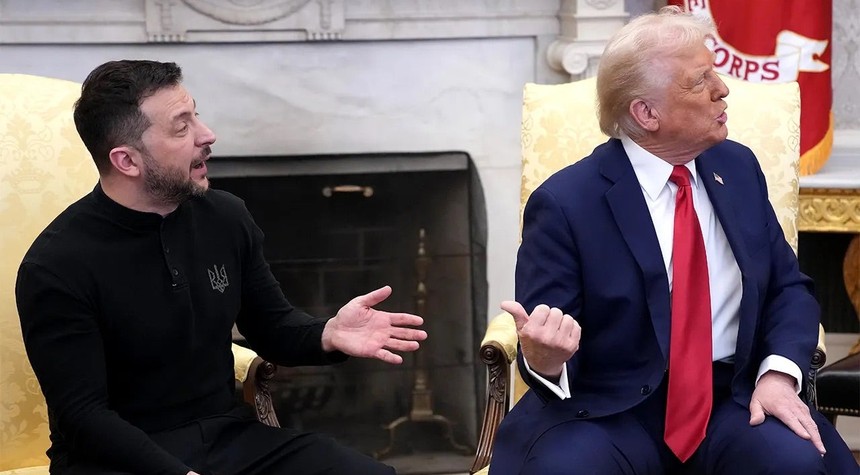
President Donald Trump publicly called for Ukraine to replace President Volodymyr Zelenskyy on Saturday, marking a dramatic escalation in tensions between Washington and Kyiv over American energy policy and the ongoing war with Russia.
Speaking to reporters outside the White House before departing for a rally in Tennessee, Trump declared it was “time for Ukraine to get a new president.” The president’s stark pronouncement came in response to Zelenskyy’s criticism of a newly announced American agreement with Moscow that would temporarily ease sanctions on Russian diesel exports.
The agreement, confirmed by Trump on Friday, suspends restrictions on Russian diesel exports until April 7. The arrangement would permit Russia to release millions of tons of diesel into American and global markets at a time when fuel prices remain elevated for consumers across the country.
Trump defended the deal as necessary for addressing global energy supply concerns, but Zelenskyy warned that the agreement would provide Moscow with additional revenue to purchase weapons and sustain its military operations against Ukraine.
The dispute extends beyond the diesel agreement. Trump accused the Ukrainian president of exacerbating global fuel problems by authorizing continued strikes on Russian oil refineries. The president issued a blunt warning to Zelenskyy regarding these operations.
“He’d better stop,” Trump said, arguing that attacks on Russian refineries create worldwide energy supply disruptions. “We said, ‘You can do whatever you want to Russia. Don’t hit the refineries’ because that’s a world problem that’s caused.”
Trump also criticized Zelenskyy for failing to negotiate an end to the conflict, which began with Russia’s full-scale invasion in February 2022. “He could have made many deals and, for some reason, he never does,” the president stated.
The public rift between the two leaders represents a significant shift in the American-Ukrainian relationship. Since the war’s outbreak, the United States has provided substantial military and financial assistance to Ukraine’s defense efforts. However, Trump’s remarks suggest growing frustration within the administration over Ukraine’s military strategy and its impact on global energy markets.
The diesel agreement itself reflects the administration’s prioritization of domestic energy concerns. American consumers have faced higher fuel costs, and the administration appears willing to pursue arrangements with Moscow if such deals promise relief at the pump.
For Zelenskyy and Ukraine, the president’s comments present a substantial challenge. Ukrainian forces have targeted Russian energy infrastructure as part of their military strategy, seeking to disrupt Moscow’s ability to fund its war effort. The attacks on refineries have been among Ukraine’s most effective long-range operations.
The question now becomes whether Trump’s public criticism will translate into concrete policy changes affecting American support for Ukraine. The president’s call for new Ukrainian leadership, while dramatic, does not immediately alter the strategic reality on the ground. However, it signals potential complications ahead for the relationship between Washington and Kyiv as the war continues into its fourth year.
The dispute underscores the complex interplay between energy markets, international sanctions, and military strategy in the modern conflict. As both nations navigate these challenges, the path forward remains uncertain.
Related: Nobel Committee Awards Peace Prize to UN Official Who Accused Israel of Genocide