
Australia’s National Anti-Corruption Commissioner has resigned from his position three years into a five-year term, citing ongoing investigations into his own conduct as an unwelcome distraction from his duties. The departure raises serious questions about the effectiveness and internal culture of the nation’s federal anti-corruption body.
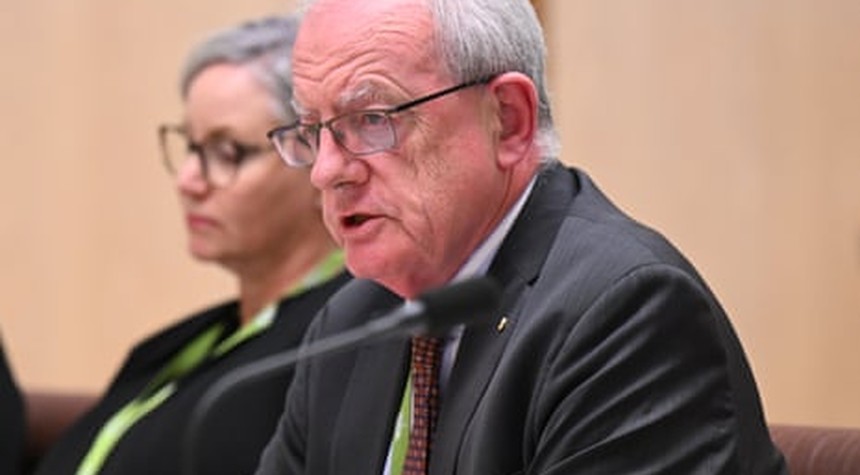
Paul Brereton, who served as the watchdog’s inaugural commissioner, appeared before a Senate estimates hearing Tuesday evening to explain his decision to step down. His testimony revealed that a second investigation into his conduct is now underway, though the specific nature of the complaint remains undisclosed.
The first investigation centers on consulting work Brereton performed for his previous employer, the Inspector General of the Australian Defence Force, while simultaneously serving as the nation’s top anti-corruption official. This work related to his former role leading an inquiry into alleged war crimes involving Australian troops in Afghanistan. In correspondence to the attorney general last October, Brereton characterized this assistance as “ongoing, very modest informal assistance.”
Gail Furness, the inspector who oversees complaints about the commission’s conduct, confirmed Tuesday that both investigations could proceed despite Brereton’s resignation. An incomplete draft report for the first investigation has been delivered to Brereton, though no timeline has been established for its completion.
During the hearing, Brereton made a striking claim about the working environment within the commission. He stated that staff members are now “terrified of making any mistake of fact or law” due to fears they will face findings of officer misconduct. This assertion paints a troubling picture of an organization meant to investigate corruption that may itself be paralyzed by fear of internal reprisal.
When pressed on whether his conduct fell below the standards expected of an anti-corruption commissioner, Brereton offered a carefully worded response. He acknowledged contributing to the current situation but maintained that his standards had not fallen below appropriate levels.
The commission’s chief executive, Philip Reed, defended Brereton vigorously, stating the outgoing commissioner had been treated “very poorly” by both parliamentarians and public commentators. This defense came even as the institution faces scrutiny over its leadership and internal practices.
Adding to the commission’s difficulties, Deputy Commissioner Nicole Rose announced her own resignation earlier in May, with her final day scheduled for July 6. Rose attributed her departure to personal reasons when questioned by senators.
The simultaneous departure of both the commissioner and deputy commissioner represents a significant leadership crisis for an institution established to restore public confidence in government integrity. The timing is particularly unfortunate given the commission’s mandate to investigate and expose corruption at the federal level.
The situation presents a paradox that has not been lost on observers. An institution created to hold others accountable for ethical lapses now finds itself investigating its own leader while grappling with what its outgoing commissioner describes as a culture of fear among staff.
As Australia searches for new leadership for its anti-corruption body, the nation must confront uncomfortable questions about whether the watchdog can effectively police government conduct when it struggles to maintain standards within its own ranks. The credibility of the entire enterprise now hangs in the balance.
Related: Trump Orders Strikes on Iranian Military Sites as Nuclear Negotiations Stall