
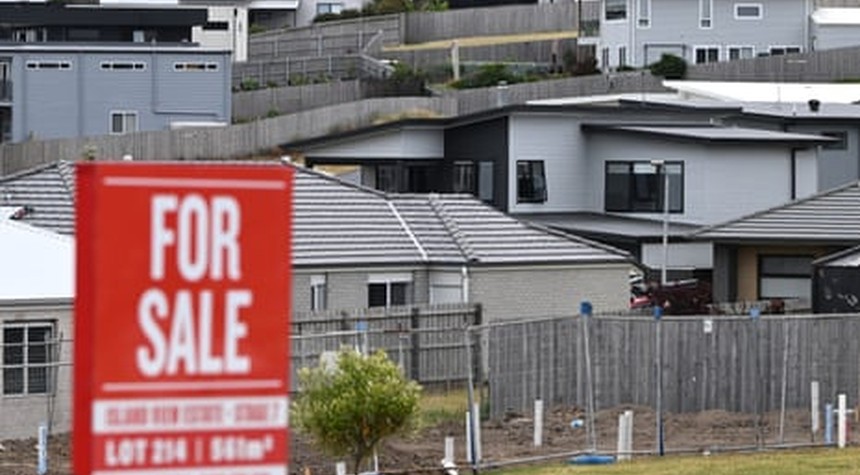
Australia’s residential property market is experiencing a significant correction after years of unprecedented growth, marking a turning point that economists and market analysts have long anticipated.
Data from Cotality reveals that most capital cities recorded price declines throughout the winter months, with Sydney experiencing the sharpest downturn. The convergence of rising interest rates and modified tax provisions for property investors has created conditions unfavorable to continued market expansion. As inflation persists at elevated levels, the prospect of additional interest rate increases looms, threatening to further dampen buyer demand in the months ahead.
The decline, however, presents a complex picture that defies simple characterization. The pattern of depreciation reveals that those suburbs which experienced the most dramatic appreciation during the pandemic boom have subsequently cooled most rapidly. This phenomenon reflects a market correction that is targeted rather than universal.
Affordable housing segments have demonstrated greater resilience, sustained by demand from first-time buyers who benefit from government programs allowing low-deposit purchases. These entry-level properties continue to attract buyers despite broader market weakness, suggesting that certain market segments remain insulated from the overall trend.
Property owners who purchased homes in earlier years retain substantial equity gains, even accounting for recent price reductions. The correction has merely reduced the extraordinary appreciation accumulated during the pandemic period, not eliminated it entirely. Market observers note that home values surged approximately fifty percent since the onset of the pandemic, making recent declines relatively modest by comparison.
Geographic disparities further complicate the national picture. Brisbane, Perth, and Darwin continue to show annual appreciation exceeding ten percent, demonstrating that regional factors significantly influence local market conditions. These cities have not participated in the broader downturn affecting Sydney and other major metropolitan areas.
The practical implications for prospective homeowners remain challenging. While nominal home prices have decreased, rising mortgage rates have simultaneously reduced borrowing capacity for most buyers. The net effect is that housing affordability has not meaningfully improved despite falling prices. Monthly mortgage payments for new buyers have increased substantially, offsetting any benefit from lower purchase prices.
Financial analysts characterize the current correction as a modest adjustment following an extraordinary surge. The market remains elevated by historical standards, suggesting that further normalization may occur as monetary policy continues to tighten. The Reserve Bank’s commitment to controlling inflation through interest rate policy will likely maintain downward pressure on property values in the near term.
This market adjustment represents the first significant correction in Australia’s property sector in recent memory, breaking a pattern of continuous appreciation that has characterized the market for years. The outcome of this correction will have profound implications for household wealth, consumer spending, and the broader Australian economy. As global economic uncertainty persists and central banks worldwide maintain restrictive monetary policies, Australia’s property market appears likely to face continued headwinds in the period ahead.
The situation warrants careful monitoring as economic conditions evolve and policy decisions unfold in the coming quarters.
Related: Iran Faces Critical Gasoline Shortage as American Economic Blockade Tightens