
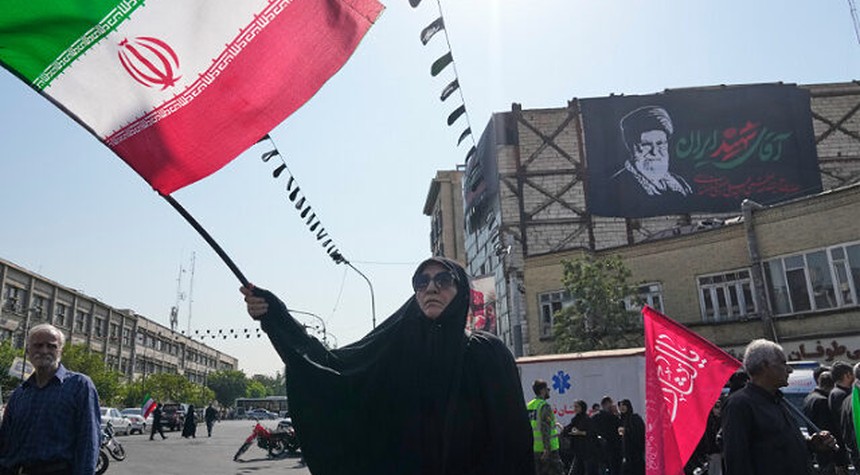
Iran now possesses approximately two months of gasoline reserves remaining, according to senior officials within the Islamic Republic itself, as the American naval blockade and economic sanctions campaign systematically dismantles the regime’s ability to sustain its economy.
Treasury Secretary Scott Bessent characterized the situation Friday as the “Jaws of Death for the Iranian Economy,” employing unusually stark language to describe what represents perhaps the most comprehensive economic offensive against Tehran since the Islamic Revolution of 1979.
The assessment carries particular weight because it originates not from American intelligence estimates, but from three senior Iranian officials who spoke candidly about their nation’s deteriorating circumstances. These sources acknowledged that American sanctions and the reinstated blockade have severely compromised Tehran’s capacity to import essential goods, secure foreign currency, and maintain the elaborate evasion networks constructed over years of sanctions pressure.
The gasoline shortage presents a profound irony. Iran sits atop some of the world’s most substantial petroleum reserves, yet decades of underinvestment and mismanagement have left its refining infrastructure unable to meet domestic demand. The country has relied on imported refined gasoline, a dependency now exploited by American economic strategy.
For years, the Iranian regime sustained itself through an intricate web of front companies, unregistered oil tankers, shadow banking operations, and smuggling networks spanning multiple continents. These mechanisms allowed Tehran to continue exporting crude oil and importing necessary goods despite previous sanctions regimes. That system now appears to be collapsing under sustained American pressure.
Secretary Bessent reported Friday that no Iranian crude shipment has successfully transited the Strait of Hormuz bound for China, Iran’s primary oil customer, since Washington reinstated the blockade. Iranian tankers carrying crude oil remain trapped within the strait, their cargoes unsold and the regime’s storage capacity approaching its limits.
The Trump administration launched Operation Economic Outcast in recent weeks with an explicitly stated objective: eliminate Iran’s oil export revenue, then systematically close every financial channel the regime might use to circumvent that primary restriction. Bessent described this approach as “economic asphyxiation of the regime.”
The operation represents years of intelligence work identifying the specific banks, businesses, shipping companies, and front organizations Iran established to evade previous sanctions. Treasury officials indicate this groundwork enables what they term a “zero-leakage approach,” targeting each identified evasion mechanism with precision.
The broader strategic question concerns whether economic pressure of this magnitude will compel the Iranian regime toward negotiation or catalyze internal instability. The administration clearly pursues the latter outcome, though the humanitarian implications of severe economic collapse remain a matter of international concern.
Foreign governments and businesses face a straightforward choice: cease all commercial relationships with Iran or risk secondary sanctions that would effectively bar them from American financial systems. Given the dominance of dollar-denominated international trade, most entities choose compliance with American demands over continued Iranian commerce.
The two-month gasoline timeline creates urgency that previous sanctions campaigns never achieved. If accurate, Iran faces potential fuel shortages affecting everything from transportation to agriculture within weeks, not months or years. Whether this pressure produces regime change, negotiation, or unforeseen consequences remains the central question facing American policymakers and regional observers alike.
Related: Two Workers Rescued From Nepal Tunnel Nine Days After Devastating Floods