
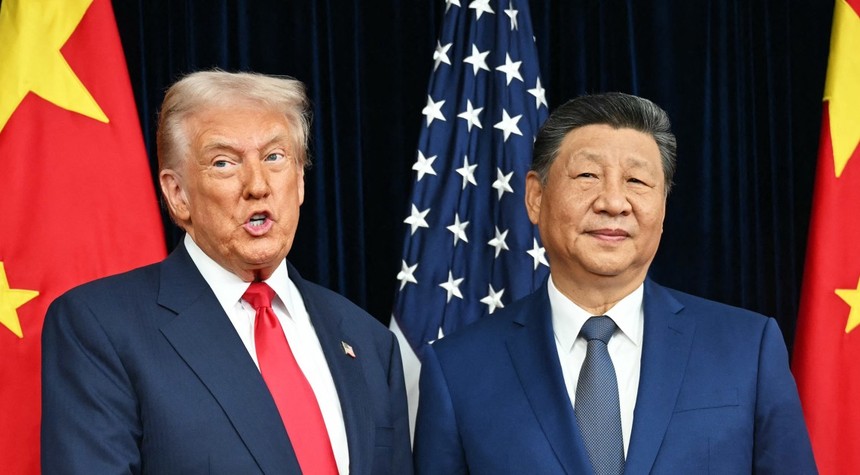
The delicate diplomatic balance between Washington and Beijing faces a significant test as President Donald Trump prepares to meet with Chinese President Xi Jinping amid fresh tensions over American military action in Iran.
The recent United States and Israeli strikes that resulted in the death of Iran’s supreme leader mark the second time in two months that American forces have taken decisive action against nations with substantial economic ties to China. In January, the surprise capture of Venezuelan President Nicolás Maduro similarly put Beijing in an uncomfortable position regarding one of its key trading partners.
Yet China’s response has been notably restrained. Despite warm relations with both Venezuela and Iran, Beijing has limited its reaction to strongly worded diplomatic statements, a pattern that raises questions about the substance of China’s commitments to its authoritarian allies.
The forthcoming meeting between Trump and Xi, scheduled to begin March 31 according to the White House, assumes greater complexity against this backdrop. Both leaders seek to extend a fragile trade truce between the world’s two largest economies, a goal that appears to outweigh Beijing’s concerns about American military operations in the Middle East.
Beijing has not yet confirmed the dates of the proposed visit, which could occur while American forces remain engaged in Iran. Trump has indicated the operation may continue for four to five weeks or longer, creating an unusual diplomatic scenario where the Chinese leader would host an American president actively conducting military operations against a Chinese partner nation.
Wang Huiyao, founder and president of the Center for China and Globalization, a Beijing-based think tank, stated that no plans exist to delay or cancel the visit. He suggested the Iran conflict might actually increase the urgency of dialogue between China, the Middle East’s largest trading partner, and the United States, the region’s primary security guarantor.
This assessment reflects a pragmatic calculation in Beijing. While China maintains what it terms a “comprehensive strategic partnership” with Iran, including a 25-year cooperation agreement, the economic imperatives of managing relations with Washington appear to take precedence. China has long opposed Iran’s nuclear weapons ambitions even as it has served as an economic lifeline for the heavily sanctioned regime in Tehran.
The pattern emerging from these events suggests Beijing faces a fundamental challenge in balancing its global ambitions with practical limitations. China has positioned itself as a leader of developing nations and a counterweight to American influence, yet when confronted with direct American action against its partners, Beijing’s response has been measured to the point of appearing ineffectual.
This dynamic will likely influence the Trump-Xi discussions. The American president approaches the meeting from a position of demonstrated willingness to use force in pursuit of national interests, regardless of Chinese economic relationships with targeted nations. Xi, meanwhile, must weigh the value of symbolic solidarity with distant partners against the concrete economic interests that tie China to the United States.
The coming weeks will reveal whether Beijing’s cautious approach reflects strategic patience or a recognition of the limits of Chinese power in confronting American military action beyond its immediate sphere of influence.
Related: Israel Strikes Iranian Command Centers Used to Suppress Domestic Dissent