
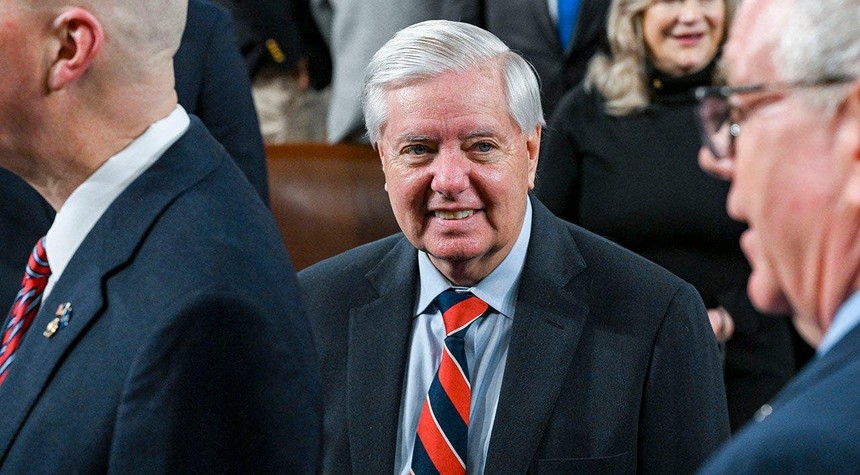
The United States Senate has advanced significant legislation targeting Russia and Iran with sanctions, marking substantial progress on a bipartisan effort that has languished in Congress for months. The bill, now renamed the Lindsey O. Graham Sanctioning Russia and Iran Act in honor of the late senator who championed the measure, passed a procedural vote with overwhelming support from both parties.
While this week’s vote does not represent final passage, it signals genuine momentum for legislation that aims to impose what supporters describe as comprehensive economic penalties against Russian President Vladimir Putin, the Kremlin apparatus, and the Iranian regime. Senate leadership has indicated its intention to complete work on the package by next week.
The sanctions framework represents one of the most ambitious attempts by Congress to coordinate economic pressure against two nations that American policymakers increasingly view as aligned threats to international stability. The bipartisan nature of the effort underscores a rare area of agreement in an otherwise divided Capitol Hill.
Senator Jeanne Shaheen of New Hampshire and Senator Katie Britt of Alabama, representing both sides of the political aisle, have been instrumental in advancing the legislation. Their cooperation demonstrates that national security concerns can still bridge partisan divides when American interests abroad are at stake.
The timing of the bill’s progress carries particular significance. Russia’s continued aggression in Eastern Europe and Iran’s nuclear ambitions have created urgency among lawmakers who believe economic sanctions remain among the most effective tools short of military intervention. The legislation seeks to tighten existing restrictions while adding new measures designed to limit both nations’ ability to finance activities Washington considers destabilizing.
However, even if the Senate completes its work as scheduled, the legislation faces a waiting period. The House of Representatives remains in its August recess, meaning final passage and presidential signature cannot occur until lawmakers return to Washington. This delay, while procedurally unavoidable, frustrates some supporters who argue that swift action would send a stronger message to Moscow and Tehran.
The decision to rename the bill after Senator Graham reflects the personal investment he made in crafting the sanctions package before his death. Colleagues from both parties have cited his leadership on the issue as motivation to see the effort through to completion. Graham had long argued that coordinated economic pressure represented the most effective means of constraining Russian and Iranian ambitions without direct military confrontation.
As the Senate moves toward final passage, attention will inevitably turn to the House, where the legislation will need similar bipartisan support to reach the president’s desk. The strong Senate vote suggests momentum that House leadership may find difficult to ignore when members reconvene in September.
For now, the Senate’s progress represents a meaningful step in what has been a prolonged legislative journey, demonstrating that Congress can still function on matters of national security when political will aligns with strategic necessity.
Related: Former Senator Faces Six-Figure Bill in Fight for Nuclear Submarine Documents