
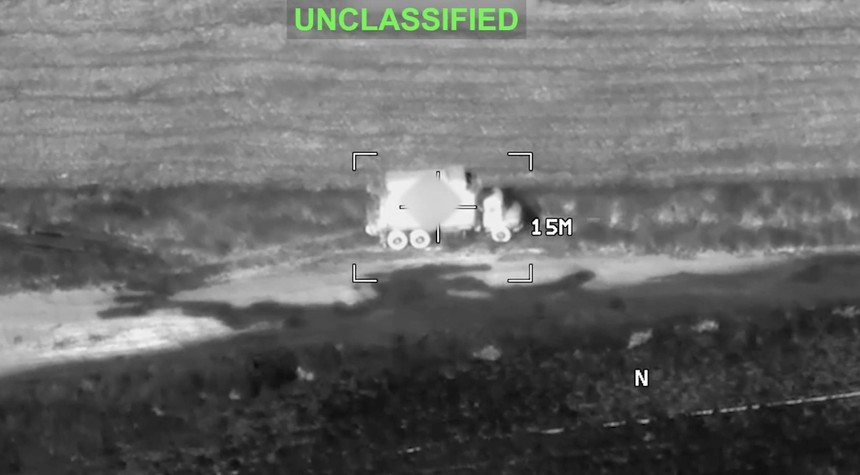
The United States military conducted extensive strikes against Iranian military installations Wednesday night, marking a significant escalation in hostilities between the two nations even as diplomatic negotiations continue in their third month.
United States Central Command confirmed that American forces struck dozens of Islamic Revolutionary Guard Corps targets across Iran in what officials termed a “powerful response” to Tuesday’s attempted ballistic missile attack on American forces stationed in the Middle East. All incoming Iranian missiles were successfully intercepted, CENTCOM reported.
The military operation targeted critical Iranian military infrastructure, including command centers, missile and drone facilities, coastal surveillance positions, and maritime capabilities. According to the official statement, these strikes were designed to diminish threats posed by Iran and its proxies to American personnel, commercial shipping lanes, and allied Gulf nations.
President Donald Trump had signaled earlier Wednesday that the United States would respond forcefully to Iran’s provocation, stating his intention to strike “very hard.” This latest military action represents a continuation of the complex situation that began February 28, when the President announced major combat operations against Iran in coordination with Israeli forces.
The current strikes come at a particularly delicate moment in American-Iranian relations. Since June, delegations from both nations have been engaged in negotiations aimed at reaching a war-ending agreement based on a memorandum of understanding signed by both countries. However, military confrontations have continued throughout this diplomatic process, with the strategically vital Strait of Hormuz remaining the primary flashpoint for hostilities.
The situation’s complexity was further illustrated during Tuesday’s White House meeting between President Trump and Israeli Prime Minister Benjamin Netanyahu. According to a senior Israeli official who briefed reporters, the two leaders discussed multiple approaches to preventing Iran from developing nuclear weapons, including military action, diplomatic pressure, and economic sanctions.
The Israeli official characterized the relationship between the two leaders clearly, describing Trump as the “senior partner” and Netanyahu as the “junior partner” in their strategic alliance. Netanyahu reportedly did not express a preference for any particular course of action when discussing options to address Iran’s nuclear ambitions.
Israeli officials issued their own warning to Tehran, stating that any attack on Israel would constitute “a big mistake” and would be met with a response that would be “very, very forceful” and “very quick.”
Regarding Iran’s nuclear program, Israeli intelligence maintains confidence about the location of Iranian nuclear material, though officials appeared to step back slightly from initial certainty, stating “We think we know where it is” rather than confirming definitive knowledge. Israel believes the nuclear material has not been relocated from facilities struck by American forces last week.
The ongoing military exchanges between the United States and Iran continue despite the parallel diplomatic track, raising questions about the viability of reaching a negotiated settlement while active combat operations persist. The strategic importance of the Strait of Hormuz, through which a significant portion of global oil supplies transit, adds international economic implications to an already volatile situation.
As this situation develops, the international community watches closely to see whether diplomatic efforts can overcome the cycle of military escalation, or whether the region faces a broader conflict despite ongoing negotiations.
Related: Defense Analysts Recommend Israeli Technology for American Missile Shield Program