
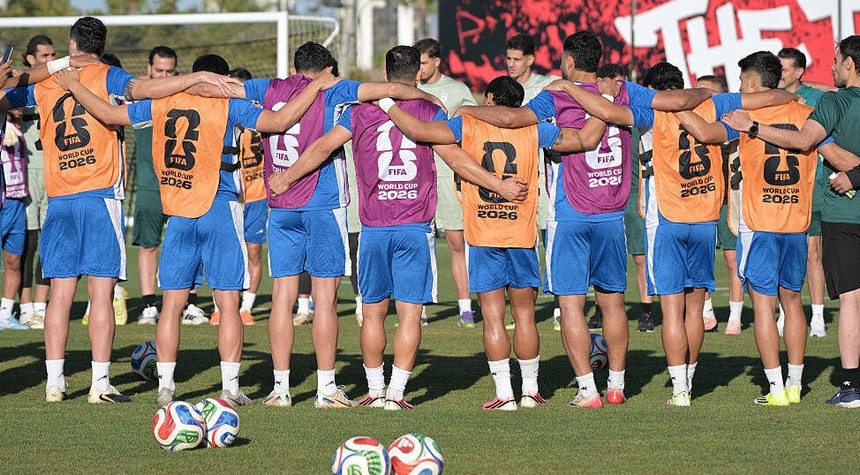
Mexican authorities opened a homicide investigation Friday after discovering human remains in a vehicle parked outside the stadium where Iran’s national soccer team has established its training headquarters ahead of World Cup competition.
Police in Tijuana found the body concealed within a bag inside the trunk of a gray automobile stationed in a parking area across from Estadio Caliente. Officers opened the vehicle after detecting a distinctive odor emanating from within. The discovery occurred as Iran’s squad conducted preparations at the facility, though no connection between the team and the incident has been suggested.
The Iranian national team’s presence in this border city stems from a complex series of circumstances that have marked their World Cup preparations with unusual complications. Visa processing delays and travel restrictions affecting the team’s administrative personnel and coaching staff necessitated the selection of Tijuana as a training base, despite the city’s well-documented security challenges.
The team will depart next week for Los Angeles, where they face New Zealand’s All Whites on June 15 at SoFi Stadium in Inglewood, marking their opening match in group stage competition. The Iranians initially planned to conduct training operations in Tucson, Arizona, but security concerns arising from the Iran war that commenced in late February prompted a relocation to Mexican territory.
In March, Iranian football officials petitioned unsuccessfully to relocate their group stage matches from American venues to Mexican stadiums. Their request was denied, and the team will proceed with its scheduled fixtures at United States locations. Following the New Zealand contest, Iran faces Belgium on June 21, also at SoFi Stadium, before concluding group play against Egypt on June 26 in Seattle.
The macabre discovery underscores the challenging environment the Iranian delegation has chosen for its preparations. Tijuana ranks among Mexico’s ten most violent municipalities, according to annual assessments conducted by the Citizen’s Council of Public Security, a Mexican research organization that tracks homicide statistics across the nation.
City government records documented 1,219 homicides in Tijuana last year within a metropolitan population exceeding 2.3 million residents. While officials noted this figure represented a 32 percent reduction from the previous year’s murder count, the numbers remain sobering by international standards.
The Iranian team now finds itself in the uncomfortable position of preparing for the world’s premier sporting competition while operating in one of North America’s most dangerous cities. The juxtaposition of elite athletic preparation against a backdrop of routine violence presents a stark contrast to the typical World Cup training environment.
As the investigation proceeds, Mexican authorities have provided no indication that the incident poses any direct threat to the Iranian delegation or their operations at the stadium. The team continues its training regimen as scheduled, though the discovery serves as an unsettling reminder of the security realities that characterize their chosen preparation site.
The circumstances surrounding Iran’s World Cup journey reflect broader geopolitical complexities that increasingly intersect with international sporting events, transforming what should be straightforward athletic competition into exercises fraught with diplomatic and security considerations.
Related: Kansas City Authorities Recover Stolen Gear from England’s World Cup Team