
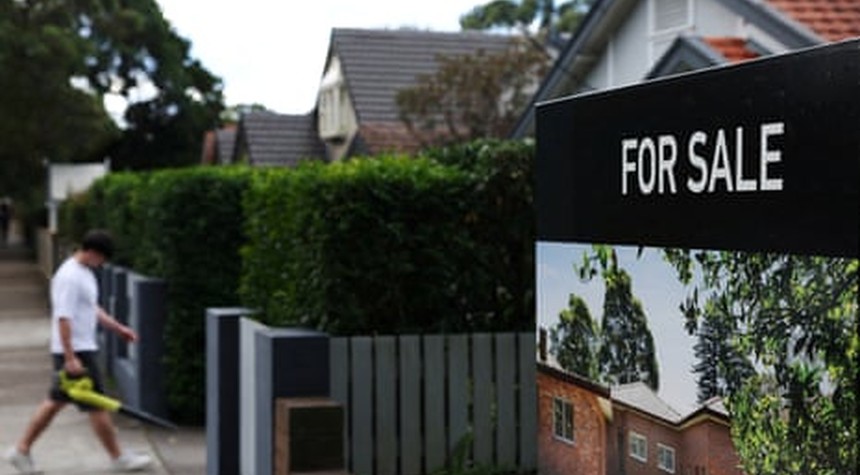
Australian housing prices have entered a significant downward trajectory, with values falling across nearly every suburb in the nation’s largest cities as rising interest rates continue to diminish purchasing power among prospective buyers.
National housing prices have declined 5.2 percent from their March peak, returning to levels last seen a year ago, according to data released Thursday. Economists now project prices will fall at least 10 percent following the Reserve Bank’s fourth rate increase this year, announced Tuesday, which has effectively pushed additional buyers to the sidelines.
Brisbane has experienced the sharpest monthly decline among major cities, with home prices dropping 1.5 percent in September alone. Every suburb within the Queensland capital recorded lower prices compared to June figures. The median Brisbane home now stands at $1.05 million, representing a $59,000 decrease since May. This marks a substantial reversal for a city that had witnessed an 18 percent price surge over the preceding twelve months.
Sydney’s median home values fell 1.4 percent during the month and have declined 8.6 percent from their record high in March, equivalent to a $112,000 reduction. Only four Sydney suburbs have maintained stable prices in recent months.
Melbourne has not been spared, with prices down 7.2 percent, or $63,000, from November 2025 levels.
Joe Trucchio, a buyer’s agent at Property Home Base, confirmed the downturn has swept across metropolitan areas despite the arrival of the traditional spring buying season. The market has failed to demonstrate the vigor characteristic of previous years during this typically active period.
Interest rates have become the predominant concern among hesitant buyers, according to Trucchio. The financial impact has been substantial. Comparison website Canstar estimates this year’s four rate increases have reduced the borrowing capacity of someone earning the average annual full-time wage of $108,650 by $47,400.
To offset a single percentage point increase in interest rates, housing prices would need to fall roughly 10 percent. No suburbs have yet reached that threshold. Nevertheless, properties at the lower end of the market have attracted increased attention as first-time home buyers regain some confidence.
The Albanese government reported Thursday that over 102,000 people have received support through first home loans under the 5 percent deposit scheme in the year since its expansion. The program has assisted an average of 8,400 new first-time home buyers monthly since June, remaining relatively stable compared to the 8,600 monthly average from October through May.
Reserve Bank Governor Michele Bullock acknowledged Tuesday that the central bank had considered maintaining rates at current levels given the unexpectedly weak housing market. The decision to proceed with the increase ultimately prevailed. Bullock warned that falling prices would likely worsen housing supply conditions by rendering new construction economically unviable.
Economists anticipate Australia’s housing shortage will eventually force prices upward again. However, the diminishing prospect of interest rate cuts in the near term has made an extended downturn increasingly probable.
The current market conditions present a complex scenario for policymakers attempting to balance inflation concerns with housing affordability and supply challenges. The coming months will prove critical in determining whether the market stabilizes or continues its descent.
Related: Sweden’s Social Democrats Abandon Coalition Talks After Socialist Left Party Breaks Ranks