
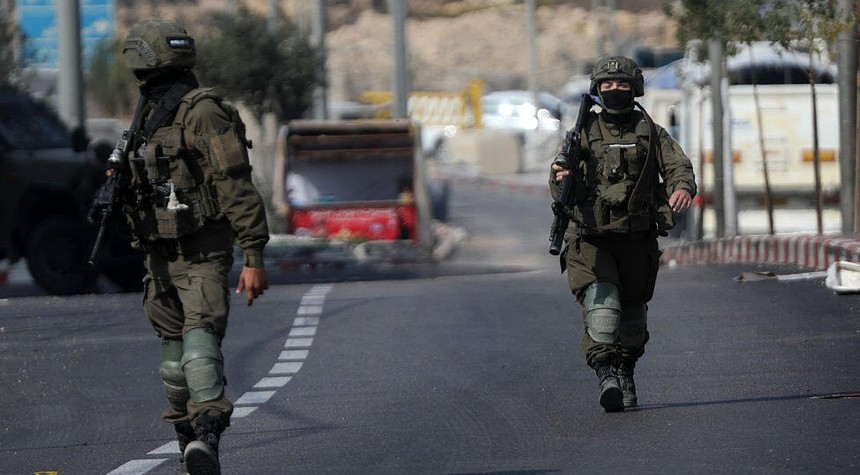
Israeli military forces maintained an extensive security operation throughout the occupied West Bank on Sunday, implementing sweeping restrictions on movement as the nation prepares for Tuesday’s elections. The operation represents Israel’s response to Friday’s gun attack in Hebron that claimed the lives of two Israeli soldiers and wounded three others.
The scope of the displacement has been significant. Municipal authorities in Hebron report that more than 2,200 Palestinians, including nearly 200 children under the age of 18, have been forced from their homes over the past two days. The city remains under complete closure, with all entrances and exits sealed since Friday’s attack. The operation has concentrated on the Deir Bahha neighborhood and the Al-Jalda district.
Hebron Mayor Yousef Zuhair Al-Jabari described the situation in stark terms. The blockade has paralyzed normal life, preventing residents from entering or leaving the city and disrupting essential services and commerce.
The Israeli military reported conducting operations at more than 400 locations throughout the weekend, resulting in the detention of 40 Palestinians identified as members of Hamas or Palestinian Islamic Jihad. Further restrictions announced Sunday will prevent most Palestinian workers with valid permits from entering Israeli settlements for employment on Sunday and Monday. Border crossings into Israel will remain closed through Tuesday’s election day.
The election carries particular weight as it serves as a public assessment of Prime Minister Benjamin Netanyahu’s leadership and security policies during three years of sustained conflict. Netanyahu faces voters at a moment when security concerns dominate the national conversation.
The violence this year underscores the deteriorating security situation. Six Israelis have been killed in West Bank attacks since January, while the Ramallah-based Palestinian Health Ministry reports 112 Palestinian deaths during the same period. The West Bank has experienced a marked surge in violence, creating a climate of heightened tension on both sides.
Netanyahu responded to Friday’s attack with a swift visit to the scene, accompanied by three members of his right-wing coalition. His statement left no ambiguity about his intentions. He referenced warnings issued weeks earlier about potential attacks timed to influence the election, and pledged decisive action to eliminate the threat.
The Prime Minister, who has received an endorsement from President Trump for his reelection bid, faces political pressure to demonstrate strength against Palestinian attackers. For many Israeli voters, security remains the paramount concern, and Netanyahu’s response to this attack may influence their decisions at the ballot box.
The West Bank presents one of the most complex security challenges in the region. Approximately three million Palestinians live alongside 540,000 Israeli settlers in territory Israel has occupied since the 1967 Mideast war. International law generally considers Israeli settlements in occupied territory illegal, though Israel disputes this interpretation.
Hebron stands apart as perhaps the most volatile city in the West Bank. It remains the only location where Jewish settlers reside within the heart of a densely populated Palestinian area, living under the protection of Israeli military forces. This arrangement has created persistent friction and recurring violence.
The timing of this operation, coinciding with Israel’s national elections, adds a political dimension to security decisions that would be consequential under any circumstances. The coming days will reveal whether Netanyahu’s forceful response satisfies voters seeking assurance on security matters, or whether the scale of displacement and disruption generates broader questions about the sustainability of current policies.
Related: Senator Schiff Demands Testimony on Starlink Disruptions in Ukraine as Questions Mount