
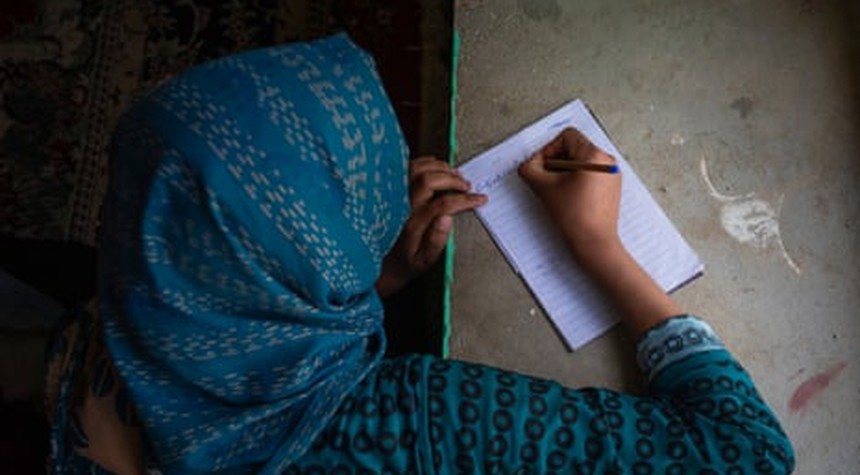
Britain has withdrawn a major educational initiative designed to provide higher education opportunities to one million girls across Africa, Asia, and the Middle East, marking another significant retreat in the nation’s foreign development commitments.
The Strengthening Higher Education for Female Empowerment program, launched with considerable ceremony by the previous Conservative government just two years ago, has had its tender canceled by the Foreign, Commonwealth and Development Office. The £45 million initiative aimed to expand access to university education for women in regions where such opportunities remain severely limited.
The cancellation comes despite recent public commitments from Foreign Secretary Yvette Cooper, who declared in May that women and girls were a priority for her office and that she was determined to ensure their safety and advancement remained a worldwide concern. The gap between such rhetoric and budgetary reality raises questions about the coherence of British foreign policy under the current administration.
The program’s termination reflects broader cuts to Britain’s foreign aid budget that have affected multiple educational initiatives. Earlier this year, the Foreign Office canceled a £150 million Education for All program in South Sudan, one of the world’s poorest nations, where literacy rates rank among the lowest globally and millions of children receive no formal education.
The practical consequences of these decisions extend beyond the immediate loss of educational opportunities. Research consistently demonstrates that women with access to higher education are six times less likely to become child brides and face significantly reduced rates of domestic violence. Advanced education also substantially increases women’s earning potential, creating ripple effects throughout their communities and national economies.
The British government has simultaneously restricted study visa applications from Afghanistan, Sudan, Myanmar, and Cameroon. This policy compounds the damage by denying women from these nations alternative pathways to higher education in Britain itself, even as British universities depend heavily on revenue from international students who pay substantially higher fees than domestic students.
Members of Parliament have expressed alarm at the pattern emerging from these decisions. Bambos Charalambous, who chairs the all-party parliamentary group on global education, noted that the Foreign Office has previously acknowledged how educational partnerships transform lives while benefiting British institutions. The challenge now, he suggested, involves determining how to rebuild these programs after the current period of budget constraints.
Critics from the international development sector argue that Britain’s actions contradict its stated values. The government continues to emphasize its commitment to women and girls in public statements while systematically eliminating programs that provide the most effective means of advancing their prospects. Access to higher education remains the single intervention with the greatest demonstrated impact on women’s lives and the welfare of their communities.
The cancellations place Britain in an increasingly isolated position among developed nations regarding educational development assistance. As other countries maintain or expand such programs, Britain’s withdrawal raises fundamental questions about its role in international development and its reliability as a partner for long-term initiatives.
The affected programs were not merely charitable endeavors but strategic investments in global stability and economic development. Women’s education correlates strongly with reduced fertility rates, improved child health outcomes, and stronger democratic institutions. By abandoning these initiatives, Britain may be trading short-term budgetary savings for long-term strategic costs in regions where educational advancement could otherwise strengthen social and economic foundations.
Related: Trump Secures Release of Christian Minister From Chinese Prison