
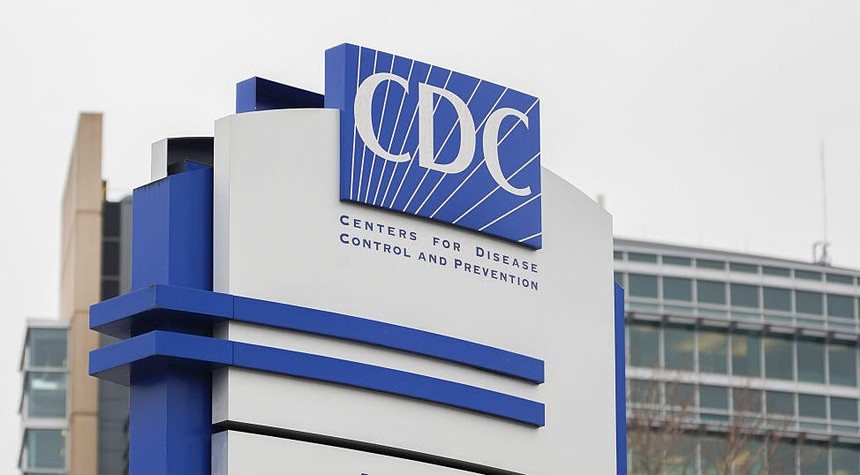
The United States government has moved swiftly to implement new travel restrictions and enhanced screening protocols in response to a deadly Ebola outbreak that has claimed at least 131 lives in the Democratic Republic of Congo, according to the World Health Organization.
The Centers for Disease Control and Prevention announced Monday that individuals without United States passports who have traveled to Congo, Uganda, or South Sudan within the past three weeks will be barred from entering American territory. The measures, which take effect immediately, represent a measured response to a public health threat that officials say poses a low immediate risk to the American public.
The travel restrictions do not apply to United States citizens, permanent residents holding green cards, or members of the American armed forces. These exemptions reflect the practical reality that the nation cannot and should not bar its own citizens from returning home, even in times of heightened health concerns.
Beyond the travel restrictions themselves, the CDC has announced it will enhance public health screening for individuals arriving from affected regions. The agency stated it would coordinate with airlines, international partners, and port-of-entry officials to identify individuals who may have been exposed to the virus during their travels.
The situation has already touched American personnel abroad. At least six Americans were exposed to the Ebola virus while in Congo, according to sources within international aid organizations. Whether any of these individuals contracted the disease remains unclear, as does their current location. This uncertainty underscores the challenges inherent in tracking a highly contagious pathogen in regions with limited medical infrastructure.
The current outbreak marks yet another chapter in Central Africa’s ongoing struggle with this devastating disease. The Ebola virus, which causes severe hemorrhagic fever with mortality rates that can exceed fifty percent in some outbreaks, has repeatedly emerged from the Congo basin over the past several decades. Each resurgence tests the international community’s ability to respond effectively while balancing public health imperatives against the economic and humanitarian costs of travel restrictions.
The CDC has indicated that these measures will remain in effect for thirty days, though officials emphasized they would continue monitoring the situation closely. “We will continue to evaluate the evolving situation and may adjust public health measures as additional information becomes available,” the agency stated.
This response reflects lessons learned from previous outbreaks, including the 2014 epidemic that killed more than eleven thousand people across West Africa and sparked intense debate about the appropriate balance between protecting public health and maintaining international commerce and humanitarian operations.
The American government’s swift action demonstrates a recognition that in an era of global air travel, diseases that emerge in remote corners of the world can reach American shores within hours. Whether these measures prove sufficient to prevent any cases from reaching the United States will depend largely on factors beyond Washington’s control, including the effectiveness of containment efforts in the affected nations themselves.
Related: Trump Intensifies Pressure on Iran as Nuclear Negotiations Stall