
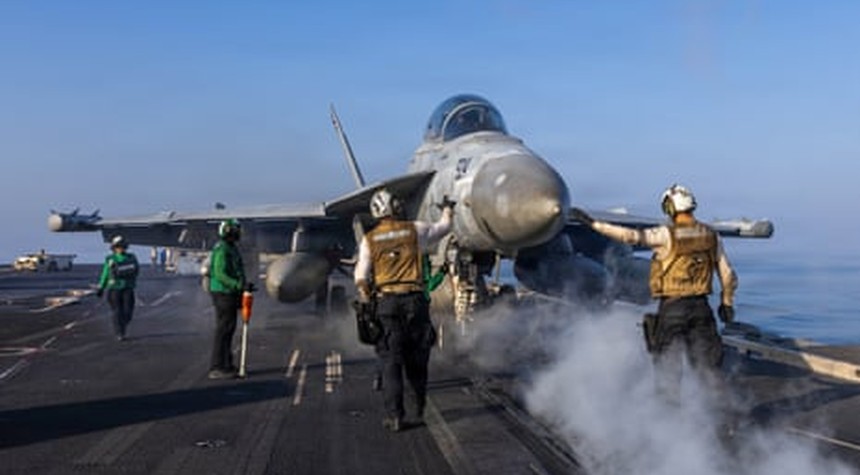
The expanding conflict between the United States and Iran has created a strategic opportunity for Beijing, one that extends far beyond diplomatic posturing and reaches into the critical infrastructure of American military readiness.
As American forces engage in what appears to be a widening regional conflict in the Middle East, the sobering reality facing Washington is one of divided attention and finite resources. Taiwan, long considered a vital American interest in the Pacific, now finds itself competing for priority with an active theater of war thousands of miles away.
China’s official response has followed predictable diplomatic channels. Foreign Minister Wang Yi condemned the attacks as “unacceptable” and called for an immediate ceasefire. This rhetoric mirrors Beijing’s response to previous American actions, including the January detention of Venezuelan President Nicolás Maduro. The pattern is consistent: China positions itself as a defender of international law and stability while offering little material support to nations caught in Washington’s crosshairs.
Yet beneath this diplomatic theater lies a more substantial concern for American strategic planners. China maintains dominant control over critical minerals essential to defense production, and an American military engaged on multiple fronts requires those resources in increasing quantities. This dependency creates leverage that Beijing has demonstrated willingness to exploit when circumstances align with Chinese interests.
The conflict does present certain risks to Chinese interests, particularly regarding energy supplies. Intelligence assessments suggest China purchases approximately eighty percent of Iran’s exported oil, representing roughly thirteen percent of Chinese seaborne imports. The true scale remains difficult to quantify, as much of this Iranian oil arrives labeled as originating from Indonesia or Malaysia to circumvent American sanctions.
The loss of inexpensive Iranian crude would certainly impact Chinese economic calculations, though analysts consider it a manageable disruption. More concerning for Beijing is the cumulative effect of recent American actions. Less than two months ago, Washington effectively assumed control of Venezuela’s oil industry, eliminating another source of discounted petroleum for Chinese refiners. While Venezuelan supplies represented a smaller portion of Chinese imports compared to Iranian oil, the pattern suggests a systematic approach to constraining Chinese energy options.
The question facing American policymakers is whether the nation possesses sufficient political will and material resources to maintain credible deterrence across multiple theaters simultaneously. History suggests that great powers overextended in one region create opportunities for adversaries in others.
China need not take aggressive action to benefit from this situation. Simply maintaining current positions while American attention remains focused elsewhere serves Beijing’s long-term strategic interests. Each day that passes with Taiwan lower on Washington’s priority list represents a day in which the military balance in the Pacific shifts incrementally in China’s favor.
The American public deserves a clear accounting of these trade-offs from their elected leaders. Wars of choice carry consequences that extend beyond the immediate battlefield. In this case, those consequences may be measured not only in the Middle East but across the Pacific, where American commitments and Chinese ambitions have long been on a collision course that requires, above all else, sustained American attention and resources.
Related: Prime Minister Starmer Approves American Request to Launch Iran Strikes from UK Facilities