
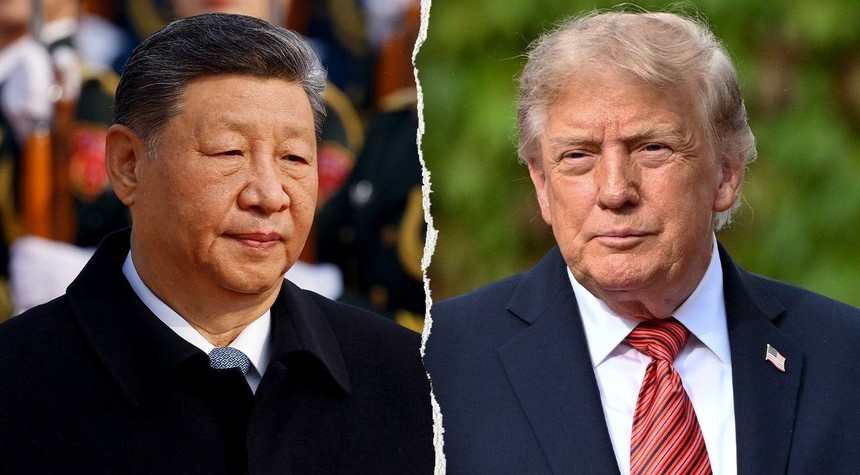
Chinese President Xi Jinping arrived on American soil Wednesday evening for what promises to be among the most consequential diplomatic encounters of the Trump presidency. The communist leader’s first visit to the nation’s capital in more than a decade comes at a moment of heightened tension between the world’s two largest economies.
The United States rolled out the red carpet at Joint Base Andrews for Xi and his wife, Peng Liyuan, in a display of diplomatic protocol that belies the substantial disagreements separating Washington and Beijing. The list of contentious issues is considerable: artificial intelligence development, intellectual property theft, trade practices, rare-earth mineral exports, and China’s continued support for Iran during America’s ongoing military operations in that region.
Artificial intelligence will occupy a central place in the two-day summit, which officially commences Thursday morning and concludes Friday evening. The discussions represent a critical juncture in determining how the world’s two technological superpowers will navigate the rapidly evolving landscape of machine intelligence and its implications for national security and economic competitiveness.
Thursday’s proceedings will begin with a State Arrival Ceremony on the White House South Lawn, an affair involving 479 military personnel from all service branches. The formality of the occasion underscores the significance both nations attach to these talks, even as fundamental differences remain unresolved.
Among the substantive matters on the agenda, according to administration officials, is a potential wide-ranging agreement on tariff reductions for non-strategic goods. The leaders will also address rare-earth exports and possible export controls, matters of considerable importance given China’s dominant position in the global rare-earth supply chain.
President Trump is expected to press his Chinese counterpart on curbing the export of fentanyl precursor chemicals, a matter of urgent concern as America continues to grapple with a devastating drug crisis. Recent statistics indicate a twenty-two percent decline in fentanyl-related deaths, a development the administration attributes to its intensified enforcement efforts.
The president is also likely to raise the case of Gulshan Abbas, an American citizen who has been wrongfully detained in China for eight years. Chinese authorities accused Abbas of participating in a terrorist organization after her sister publicly criticized Beijing’s treatment of the Uyghur population. House Speaker Mike Johnson and other Republican leaders have expressed confidence that Trump will advocate forcefully for her release.
First Lady Melania Trump will accompany Peng Liyuan to the Smithsonian National Museum of Asian Art, where they will view works spanning centuries of artistic achievement and examine elements of Sino-American cultural exchange. Such cultural diplomacy, while secondary to the substantive negotiations, serves an important role in maintaining channels of communication between two nations whose relationship increasingly defines the contours of international affairs.
The summit will conclude with an elaborate state dinner featuring prominent guests from the technology sector, including Amazon founder Jeff Bezos, SpaceX founder Elon Musk, and Google chief executive Sundar Pichai. The presence of these industry leaders reflects the central importance of technology and innovation to the discussions.
The outcome of these talks will reverberate far beyond Washington and Beijing, affecting trade flows, technological development, and strategic calculations across the globe. That is the way it is.
Related: British Prime Minister Burnham Meets Trump Despite Years of Critical Statements