
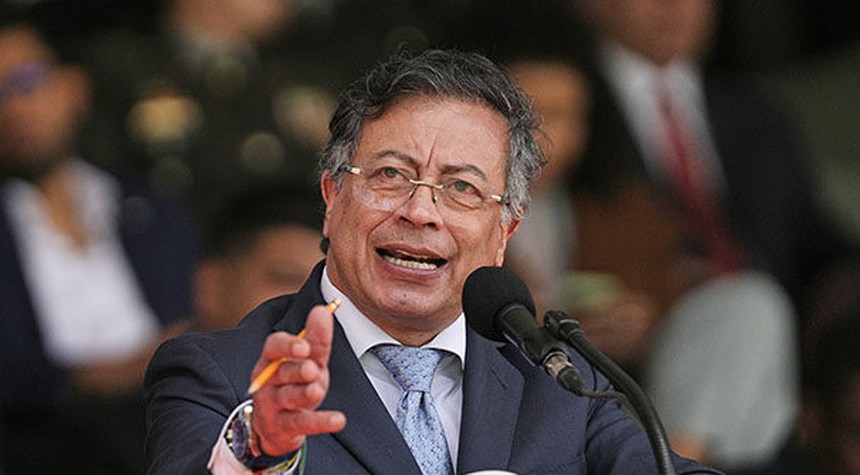
Colombia has severed intelligence sharing arrangements with the United States, a decision that security experts warn will damage the South American nation’s own drug-fighting capabilities far more than it affects American operations.
President Gustavo Petro announced the suspension on Tuesday through social media, directing all law enforcement agencies to cease communications with American security services. The measure will remain in effect, Petro stated, as long as United States forces continue conducting military strikes against drug-trafficking vessels in Caribbean international waters.
The Colombian president’s decision follows reports that the United Kingdom had taken similar action, allegedly objecting to what it characterized as illegal military operations. Petro framed his announcement as a matter of human rights, insisting that the fight against narcotics trafficking must be subordinate to the welfare of Caribbean populations.
Since September, approximately 76 individuals have been killed in American strikes targeting drug-trafficking operations in the Caribbean. These operations represent a cornerstone of President Trump’s strategy to stem the flow of illegal narcotics into the United States. Petro has characterized these actions as murder, taking particular exception to the designation of those killed as drug traffickers. He has suggested instead that they be called “drug trafficking workers.”
Colombian security analysts have been swift to point out the asymmetry of this arrangement. The intelligence Colombia provides to American agencies is, by most accounts, minimal. The information flowing in the opposite direction, however, is crucial to Colombian law enforcement operations.
Jorge Mantilla, an expert in intelligence and conflict studies, observed that while Petro’s stance may project an image of strength and sovereignty, it proves tremendously naive in practical application. Colombia participates in numerous international intelligence cooperation frameworks, including the Egmont Group and NATO cooperation arrangements, all of which are structured around the American intelligence community. By severing ties with Washington, Colombia effectively diminishes its access to these broader networks.
Defense analyst Erich Saumeth characterized the decision as circumstantial and poorly considered. He noted that had the United Kingdom not taken its reported action first, the idea would likely never have occurred to the Colombian president. This reactive posture, Saumeth suggested, indicates an absence of coherent policy within the Colombian presidency regarding counter-narcotics strategy.
The suspension affects American intelligence operations minimally while potentially crippling Colombia’s own efforts against drug cartels. American intelligence capabilities in the region derive from satellite surveillance, signals intelligence, and cooperation with multiple regional partners. Colombia’s contribution to this network, while welcome, is not irreplaceable.
For Colombia, however, the calculus differs substantially. The nation faces powerful criminal organizations with sophisticated operations spanning multiple continents. American intelligence provides critical information on international trafficking routes, money laundering operations, and cartel leadership structures. This information has proven instrumental in Colombian efforts to dismantle major criminal enterprises.
The decision reflects the ideological orientation of Petro’s administration, which represents the furthest left government in Colombian history. His presidency has been marked by tensions with the United States over security cooperation, a stark departure from decades of close bilateral partnership on counter-narcotics efforts.
That is the way it is.
Related: Newsom Condemns US Absence at International Climate Summit in Brazil