
The United States finds itself in a precarious position as it attempts to reopen the Strait of Hormuz following Iranian mining operations, confronting a strategic vulnerability that raises serious questions about recent naval planning decisions.
The crisis centers on one of the world’s most vital commercial arteries. The Strait of Hormuz serves as the transit point for a significant portion of global oil supplies, and Iran’s decision to lay mines throughout this narrow waterway represents both an immediate threat to international commerce and a direct challenge to American naval power.
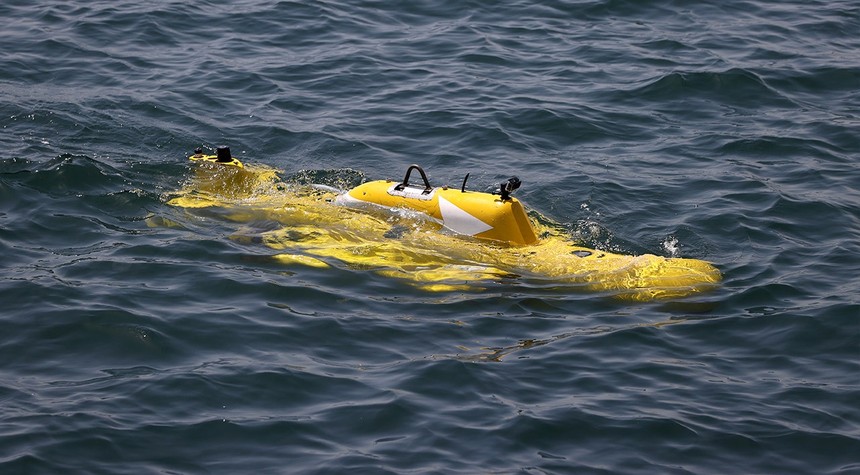
What makes this situation particularly concerning is the timing. The Navy retired its four Bahrain-based minesweepers last year, ending a decades-long forward presence of dedicated mine-hunting vessels in the Middle East. When the current crisis began, the Navy’s remaining minesweepers were stationed in Japan, thousands of miles from the Persian Gulf. The service has been transitioning to a new approach that relies heavily on unmanned systems and littoral combat ships equipped for mine countermeasures, but these newer platforms were not all positioned in the region when Iran began its mining campaign.
Intelligence assessments indicate Iran has deployed at least a dozen mines in the strait, though some estimates suggest the actual number may be considerably higher. President Donald Trump has issued clear warnings to Tehran against further escalation and has made plain that the United States stands prepared to act to maintain freedom of navigation through the waterway.
The confrontation has evolved into an active standoff. The United States has imposed a naval blockade on Iranian ports. Iran has responded with attacks on commercial vessels, seizures of ships, and threats to close the waterway entirely. In recent days, several commercial ships have come under fire, and both sides have intercepted vessels attempting to transit the choke point.
The Navy is now working to bring mine countermeasure assets into the theater. Two Avenger-class mine countermeasure ships, USS Chief and USS Pioneer, have been tracked sailing toward the region. These vessels represent part of a limited fleet that must now accomplish what was once the mission of a larger, more robust mine warfare force.
Tom Sauer, a mine specialist and former explosive ordnance officer, has been among those examining the technical challenges of the current operation. The work of clearing mines from an active combat zone, while maintaining security for the clearing vessels themselves, presents extraordinary difficulties under the best of circumstances.
The diplomatic situation offers little hope for immediate resolution. Iran has tied any further negotiations to the lifting of the American naval blockade, while Washington insists on security guarantees and the reopening of the strait. There appears to be little immediate path toward a negotiated settlement.
This crisis illuminates a broader strategic question about American naval readiness. The decision to retire dedicated minesweepers in favor of newer, more versatile platforms may have made sense in peacetime planning documents, but the current situation demonstrates the risks inherent in reducing specialized capabilities. The Navy is now attempting to execute a complex mine-clearing operation with a smaller, less experienced force than would have been available just two years ago.
The world watches as the United States works to restore freedom of navigation through these critical waters. The outcome will have implications not only for global energy markets but for perceptions of American naval power and resolve in a region where both have been tested repeatedly in recent years.
Related: Beijing Auto Fair Showcases China’s Push Into Driverless Vehicle Technology