
More than fifty members of the United States House of Representatives have raised serious concerns about what they characterize as discriminatory business practices by the South Korean government that disadvantage American technology companies while potentially benefiting competitors with ties to China.
Representative Darrell Issa leads the congressional coalition that brought these concerns to light through a comprehensive report released by the House Judiciary Committee. The report examines what lawmakers describe as a pattern of systematic discrimination against American-owned enterprises operating within South Korean jurisdiction.
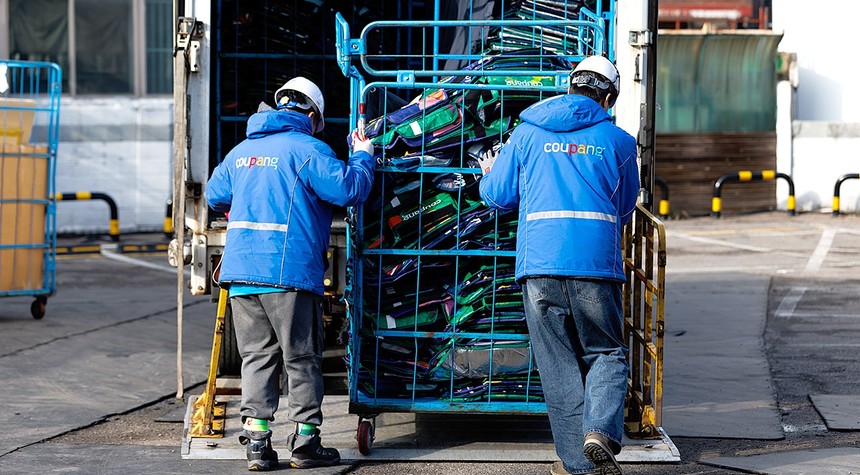
The investigation focuses substantially on Coupang, a Seattle-based technology company that has established itself as a major e-commerce platform in South Korea, often described as the Korean equivalent of Amazon, though the two companies maintain no corporate relationship. The company has become the subject of intense regulatory scrutiny from South Korean authorities following a significant data security breach.
South Korean regulators imposed a fine of approximately four hundred ten million dollars on Coupang, marking the largest privacy-related penalty in the nation’s history. The magnitude of this enforcement action has prompted questions from American lawmakers about whether the punishment fits the violation or represents something more troubling.
The Judiciary Committee’s report provides a detailed chronology of events that brought Coupang under investigation. The timeline includes what the report describes as a covert operation to recover computer equipment and involvement by South Korea’s National Intelligence Service in calling for perjury charges against Harold Rogers, who served as interim chief executive of Coupang’s Korean operations. No formal charges or indictment have been filed against Rogers to date.
The data breach itself occurred when a Chinese national, formerly employed as a senior engineer at Coupang, began unauthorized access to customer data and information outside of Korea. This improper access continued for several months beginning last June. Coupang’s internal security team identified and confirmed the breach in November. According to the congressional report, the former employee has acknowledged stealing authentication credentials to facilitate the unauthorized data access.
The concerns raised by these House members extend beyond a single company or isolated incident. The lawmakers suggest that the actions taken by what they characterize as South Korea’s left-leaning government may reflect broader alignment with Chinese interests that could systematically disadvantage American economic interests in the region.
For American policymakers and business leaders, the situation presents troubling questions about the treatment of United States companies in allied nations and the potential for foreign governments to use regulatory enforcement as a tool for economic competition rather than legitimate governance.
The investigation comes at a time of heightened concern about China’s economic influence throughout Asia and the protection of American commercial interests abroad. South Korea has long been considered a crucial ally and trading partner of the United States, making allegations of discriminatory treatment particularly significant for bilateral relations.
As this matter continues to develop, it will require careful attention from those concerned with fair trade practices, the protection of American business interests overseas, and the complex economic competition playing out across the Pacific region.
Related: Cruise Ship Carrying American Travelers Turned Away From Turkish Ports