
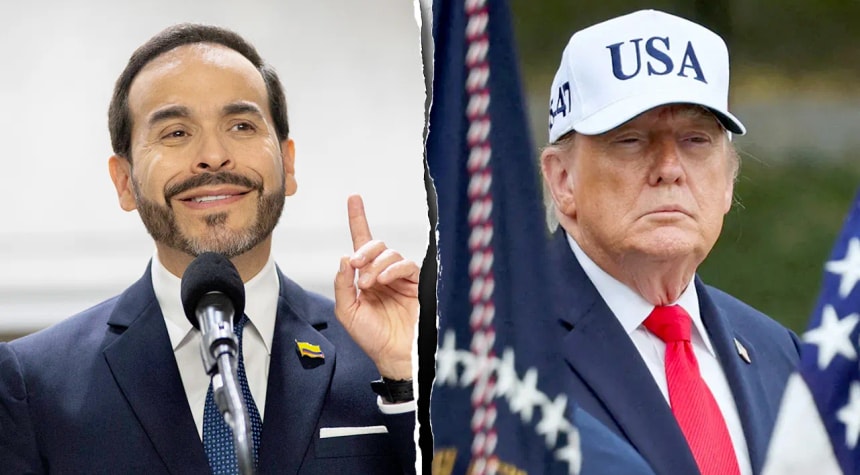
Colombian President Abelardo de la Espriella has publicly disputed a report claiming he rejected a joint military proposal with the United States aimed at combating narcoterrorism operations within his country’s borders.
The report in question stated that according to unnamed American officials, President de la Espriella indicated he lacked sufficient congressional support to approve military cooperation with the Pentagon and the Trump administration. The proposed agreement would have authorized United States forces to conduct joint airstrikes and ground operations on Colombian soil alongside their Colombian counterparts.
However, the Colombian president issued a direct rebuttal through social media on Wednesday, categorically denying that any such rejection had occurred. De la Espriella emphasized that cooperation between the two nations remains robust and continues to strengthen.
"The information published by The New York Times, claiming that I rejected a plan for cooperation with the United States to conduct joint operations against narcoterrorism, is false," the president wrote in his statement.
The Colombian leader further clarified the constitutional procedures governing such decisions, noting that any request to permit foreign military forces to operate within Colombian territory would require congressional approval rather than executive authority alone. He pledged to continue working with American partners to enhance the capabilities of Colombian security forces.
Secretary of War Pete Hegseth, who was reportedly adjusting his Latin American travel schedule in response to the supposed diplomatic setback, also disputed the characterization of relations between the two nations. Hegseth affirmed the strength of the bilateral partnership and dismissed suggestions of discord in the joint effort against narcoterrorism.
"Amen, Mr. President. The fake news cannot help themselves. Totally false. Our partnership to defeat the narco-terrorists that threaten your country, and ours, is stronger than ever before. The United States is with you all the way," Hegseth responded.
The publication stood by its reporting, issuing a statement that its reporters had confirmed President de la Espriella informed American officials that Colombia would not permit United States forces to participate in anti-cartel military operations within its borders. The publication noted that its reporters had attempted to contact the Colombian president’s press team multiple times before publication but received no response.
This disagreement highlights the complex diplomatic considerations at play in international counternarcotics efforts. Constitutional constraints, legislative oversight, and national sovereignty concerns often complicate even well-intentioned security partnerships between allied nations.
The Trump administration has made combating drug trafficking organizations and narcoterrorism a central component of its Latin American policy. Colombia has long been a key partner in these efforts, given its strategic importance and ongoing struggle against powerful drug cartels that threaten regional stability.
The public nature of this dispute, with both sides making their positions known through direct statements rather than traditional diplomatic channels, represents a departure from customary practice. Whether this reflects genuine miscommunication or deeper disagreements about operational parameters remains to be seen.
What stands clear is that both nations assert their commitment to continued cooperation against what they describe as a common threat. The manner in which they proceed, however, will need to reconcile Colombian constitutional requirements with American operational objectives.
Related: Zambia and Zimbabwe Face Uncertain Future as US Changes AIDS Strategy