
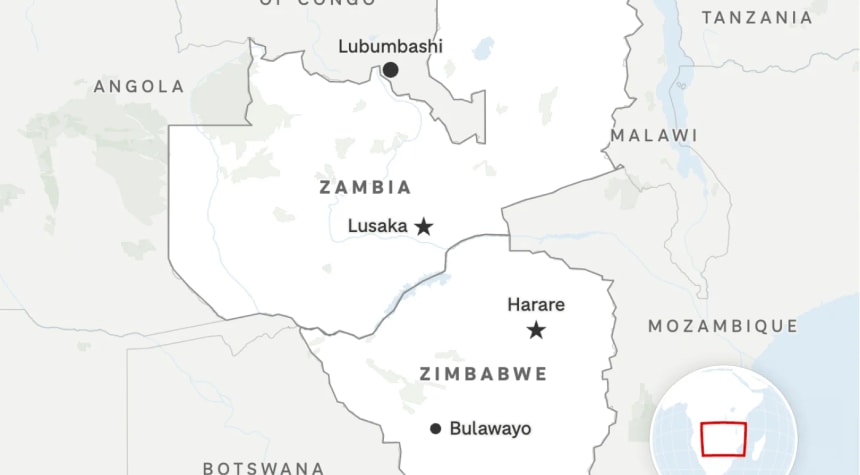
Good evening. For more than twenty years, American taxpayers have invested billions of dollars in what may be one of the most successful foreign aid programs in modern history. The results in Zambia and Zimbabwe have been nothing short of extraordinary. These two southern African nations had nearly conquered HIV/AIDS, with new infections dropping by three quarters or more since the turn of the century. More than ninety-five percent of those infected were identified and placed on treatment. By any measure, this represented a triumph of American generosity and scientific progress.
Now that success story faces an uncertain chapter, and the implications extend far beyond the borders of these two countries.
The Trump administration’s restructuring of foreign assistance has fundamentally altered how American health dollars flow overseas. The dissolution of the United States Agency for International Development earlier this year was followed by a new framework requiring direct government-to-government agreements. This policy shift has produced dramatically different outcomes in these neighboring nations, both of which had been on track to effectively eliminate AIDS as a public health threat.
Zambia managed to secure a new aid agreement last month, though at significantly reduced funding levels compared to previous years. The agreement channels American dollars primarily through the Zambian government rather than through the network of international and local organizations that had managed the programs for two decades. Officials in both countries have characterized this as building sustainable national health systems rather than maintaining parallel structures dependent on foreign administration.
Zimbabwe, however, found itself in a different position entirely. Negotiations between American and Zimbabwean officials collapsed in February. The breakdown involved disputes over the terms of the proposed agreement, including provisions regarding biological samples and research data. Regardless of which side bears responsibility for the impasse, the result was immediate and unambiguous. Zimbabwe went from receiving more than one hundred million dollars annually in American health assistance to receiving nothing at all.
The human consequences of these policy changes remain difficult to assess with precision, but health workers on the ground paint a concerning picture. In Zambia, medical professionals express anxiety about whether their government possesses the capacity and infrastructure to maintain the gains achieved under the previous system. The country’s laws criminalizing homosexuality create barriers to reaching vulnerable populations who fear arrest if they seek treatment at government facilities. Under the former aid structure, specially trained staff from non-governmental organizations could navigate these challenges. Whether the Zambian government can replicate that success remains an open question.
The situation raises fundamental concerns about accountability and data collection. Health workers worry that official pronouncements of success may mask gaps in actual service delivery and record keeping. When a government announces the employment of thousands of community health workers, questions about training, capacity, and deployment strategy become critical. Without the monitoring systems that accompanied American aid programs, tracking the real impact becomes substantially more difficult.
In Zimbabwe, the concern is more immediate. Health workers report that HIV medications are running short. The two-decade American investment in infrastructure, training, and treatment delivery has been abruptly curtailed. The irony is stark. After twenty years of support that brought Zimbabwe to the threshold of controlling the epidemic, the entire enterprise now risks unraveling. Within six months, medical professionals predict, the consequences will become clearly visible.
Perhaps most troubling is the possibility that the full impact may never be properly documented. The data collection and monitoring systems that accompanied American aid programs provided transparent, reliable information about the HIV epidemic’s trajectory. Without those systems, deteriorating conditions may go unreported or underreported.
The situation facing Zambia and Zimbabwe represents more than a bilateral aid dispute. It raises fundamental questions about the sustainability of American foreign assistance programs and the consequences of abrupt policy shifts. After investing billions of dollars and two decades of effort to bring two African nations to the verge of conquering AIDS, the United States now finds itself at a crossroads. Whether the new approach will preserve those gains or squander them remains to be seen. What is certain is that the answer will be measured in human lives.
That is the way it is.
Related: Treasury Department Expands Sanctions Against Hezbollah Financial Networks