
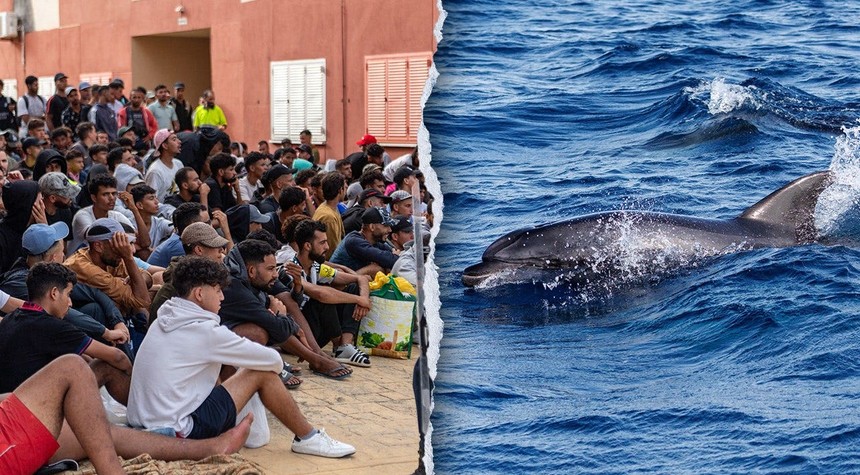
A disturbing incident on a beach in the Spanish enclave of Ceuta has crystallized growing tensions surrounding the migration crisis affecting this small territory on North Africa’s coast.
Video footage circulating in recent days shows a group of men and boys pulling a young bottlenose dolphin from the waters of El Trampolin beach, hoisting the marine mammal above their heads in celebration as onlookers cheered. According to witnesses and local reports, one individual struck the dolphin with a stick, inflicting what proved to be fatal injuries. The animal was eventually returned to the water, but not before the damage had been done.
The incident has provoked considerable anger among Ceuta’s resident population. Local citizens attempted to intervene during the confrontation, with some voices audible in the video footage shouting their objections to the treatment of the protected species.
Nadia Garcia Gomez, a local activist, has organized a petition calling for the arrest and prosecution of those involved. In her statement, she described the dolphin as “disoriented” when it swam too close to shore, and characterized its treatment as an act of “extreme and unjustifiable cruelty.” She emphasized that dolphins enjoy protected status under both Spanish national law and European Union regulations governing wildlife conservation.
The broader context of this incident cannot be ignored. Ceuta, a Spanish territory of approximately eight square miles situated on Morocco’s northern coast, has faced unprecedented migration pressures in recent months. In July, more than 70,000 migrants crossed into the enclave, overwhelming its border defenses. While the majority returned to Morocco shortly thereafter, several thousand have remained, creating significant strain on the territory’s limited resources and infrastructure.
The dolphin incident has intensified calls among some Ceuta residents for stronger enforcement measures. Local voices have demanded not only prosecution but expulsion from Spanish territory for those responsible for the marine mammal’s death.
The migration challenge facing Ceuta represents a microcosm of broader questions confronting European nations about border security, integration, and the rule of law. Spain’s government has pointed to external factors beyond its borders as contributing to the crisis, though critics argue that more robust action is required to manage the situation effectively.
This incident raises fundamental questions about cultural integration and respect for the laws and values of host nations. The deliberate killing of a protected species, conducted in public view and apparently celebrated by some participants, suggests gaps in either understanding or regard for Spanish legal standards.
As tensions continue to simmer in this strategic but vulnerable territory, the fate of one dolphin has become emblematic of larger concerns about migration management, law enforcement, and the preservation of social cohesion in communities facing rapid demographic change.
The investigation into this incident continues, though no arrests have been reported at this time.
Related: Joshua Wong Pleads Guilty to National Security Charges in Hong Kong Court