
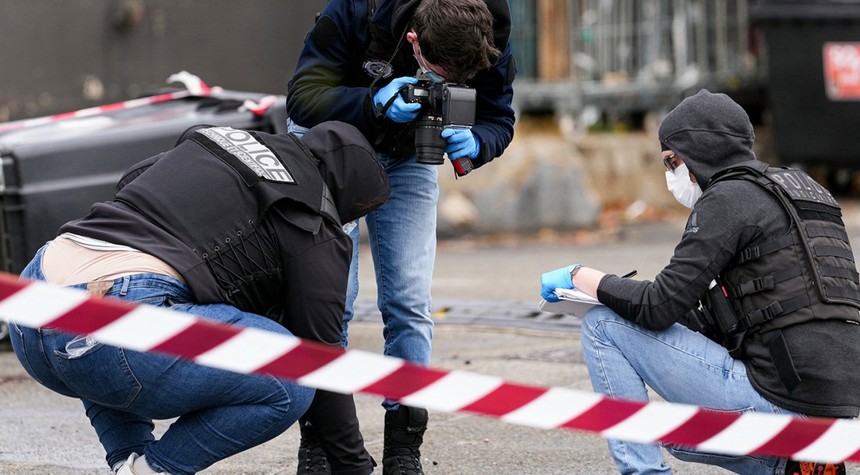
A shooting incident near Paris left one person dead and four others wounded on Friday, prompting French authorities to arrest a suspect on charges including murder and hate-based violence in what appears to be a racially motivated attack.
The violence unfolded in the suburban communities of Trappes and La Verrière, located approximately twenty miles west of the French capital in the Yvelines department. According to local officials, a gunman opened fire on victims from his vehicle before being apprehended by law enforcement.
French Prime Minister Sébastien Lecornu confirmed the suspect had been taken into police custody. France’s anti-terrorism prosecutor’s office has now charged the individual on four counts, including murder, illegal possession of a firearm, and the aggravating circumstance that the acts were committed based on actual or supposed membership in a particular race, ethnicity, nation, or religion.
Among the wounded was a twelve-year-old girl, according to Trappes Mayor Ali Rabehs, who briefed French media on the developing situation. Investigators continue working to establish the precise motivations behind the attack, though the hate crime charges suggest authorities have already identified evidence of discriminatory intent.
French President Emmanuel Macron responded to the tragedy, stating he was shocked by the events and expressing solidarity with the victims and their families. The president extended gratitude to law enforcement agencies for their swift response in apprehending the suspect.
This incident occurs against the backdrop of ongoing concerns about ethnic and religious tensions in France, particularly in the suburban areas surrounding Paris where diverse immigrant communities often face integration challenges. The suburbs, known collectively as “banlieues,” have periodically experienced violence and social unrest in recent decades.
The charging of this suspect with hate crime enhancement reflects France’s legal framework for prosecuting crimes motivated by discrimination. French law provides for increased penalties when criminal acts are determined to have been committed based on the victim’s actual or perceived ethnic, racial, national, or religious identity.
The swift arrest and formal charging suggest authorities acted decisively in this case. The involvement of France’s anti-terrorism prosecutor’s office, while not necessarily indicating terrorist connections, demonstrates the serious nature with which French authorities are treating this matter.
As investigations continue, questions remain about what specific factors led to this violence and whether additional security measures will be implemented in the affected communities. The presence of a child among the victims has particularly heightened public concern about the random nature of the attack.
French law enforcement faces the ongoing challenge of maintaining public safety while navigating the complex social dynamics of the nation’s diverse population. This latest incident will likely intensify debates about security, immigration policy, and social cohesion that have dominated French political discourse in recent years.
Related: Russian Diesel Tanker Departs for United States Following Sanctions Relief