
Albanian authorities have opened a criminal investigation into an Albanian-American businessman who sold land for a proposed luxury resort development involving Jared Kushner, the son-in-law of President Trump. Court documents reviewed indicate the investigation centers on allegations of drug trafficking and money laundering.
Artur Shehu, a Miami resident holding dual citizenship, faces scrutiny from Albanian prosecutors who assert they have gathered sufficient evidence of his involvement in drug trafficking activities. The court filings, dated June 10, also indicate prosecutors possess data suggesting Shehu falsified financial documents related to separate real estate and construction ventures. Public records in Florida confirm Shehu’s connection to an address in Miami Beach.
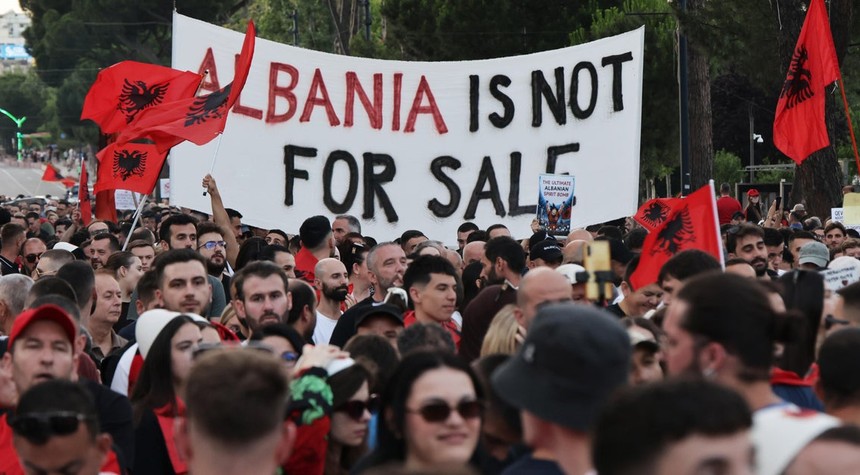
The investigation comes at a particularly sensitive moment for the proposed development project. For more than a month, thousands of Albanian citizens have staged demonstrations in Tirana, the nation’s capital, protesting plans to construct luxury tourism facilities along protected coastal areas of the Adriatic. The protests reflect broader concerns about a recently enacted law that permits commercial development in these previously safeguarded natural zones.
Albania’s independent anti-corruption agency, known as SPAK, announced last month it had issued arrest warrants for fifteen Albanian nationals in connection with alleged international drug trafficking and money laundering operations. The agency has not publicly identified the individuals named in those warrants.
Kushner, who is married to Ivanka Trump, the president’s eldest daughter, has positioned himself among a consortium of investors seeking to develop an upscale tourism complex along Albania’s Adriatic coastline. The project represents part of a broader strategy to transform the region into a destination for high-end international tourism.
The timing of this investigation raises questions about the due diligence processes employed in international development ventures involving prominent American figures. While there is no indication that Kushner or other investors had knowledge of any alleged criminal activities, the situation underscores the complexities inherent in conducting business in regions where corruption concerns persist.
Albania, a NATO member since 2009, has worked to strengthen its institutions and combat organized crime as part of its efforts to gain European Union membership. However, the country continues to face challenges related to corruption and criminal networks, particularly those involved in international drug trafficking routes between Asia and Western Europe.
The public outcry over the coastal development project reflects a growing tension in Albania between economic development aspirations and environmental preservation. The protected coastal areas in question have long been valued for their natural beauty and ecological significance. Critics of the development law argue it prioritizes short-term economic gains over long-term environmental stewardship and the protection of national heritage sites.
As this investigation proceeds, it will likely draw increased scrutiny to the vetting procedures used by international investors when engaging in projects in countries with ongoing governance challenges. The outcome may have implications not only for this particular development but for similar ventures worldwide where American business interests intersect with complex local political and legal environments.
Related: China Implements Ethnic Unity Law Amid International Warnings of Expanded Repression