
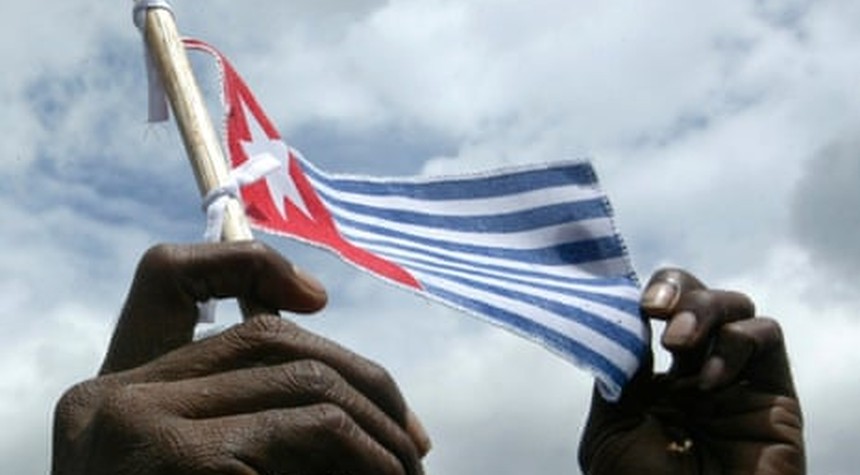
An American civilian pilot has been killed and his aircraft destroyed by separatist rebels in Indonesia’s easternmost Papua region, marking a troubling escalation in a decades-old independence conflict that has largely escaped international attention.
The pilot, identified as Nicholas F. Gosselin, was shot dead by fighters from the West Papua National Liberation Army after his plane landed in the remote Yahukimo region of Highland Papua province. Sebby Sambom, a spokesperson for the militant group, stated that rebels set the aircraft ablaze and described the attack as a deliberate “message” to both the United States and Indonesian governments.
According to the separatist spokesman, Gosselin’s plane had been “frequently dropping Indonesian military personnel” in the region, violating what the group characterized as an ultimatum issued by their forces. The aircraft was carrying seven passengers, all Papuan nationals, at the time of the attack.
Indonesian authorities have confirmed that a plane with an American pilot was discovered burned at a Yahukimo airport, though Yusuf Sutejo, a spokesperson for Indonesia’s joint police-military operations in Papua, could not immediately verify whether rebels were responsible or confirm the pilot’s death. The incident underscores the challenges facing Indonesian security forces in this vast, mountainous terrain where government authority remains contested.
The western half of Papua has endured a low-level insurgency against Indonesian rule for approximately half a century. This resource-rich region, which shares the island with the independent nation of Papua New Guinea, has witnessed increasingly deadly attacks in recent years as independence fighters have acquired more sophisticated weaponry.
The roots of this conflict trace back to Indonesia’s controversial annexation of the territory. Following the departure of Dutch colonial administrators, disagreements emerged between indigenous Papuans, the Netherlands, and Indonesia regarding the region’s political future. The United Nations ultimately sponsored a treaty designating Indonesia as temporary administrator of the territory.
That arrangement has never been accepted by significant portions of the indigenous Papuan population, who maintain that their right to self-determination was denied. The provinces of Papua and West Papua, as they are now designated by Jakarta, have remained flashpoints of resistance despite Indonesia’s firm control over most of the archipelago nation.
The killing of an American civilian pilot represents a significant development in this protracted conflict. While separatist violence has primarily targeted Indonesian security forces and infrastructure, attacks on foreign nationals are relatively uncommon and suggest either growing boldness among rebel forces or increasing desperation in their struggle for international recognition.
The incident also raises questions about the role of civilian aviation in conflict zones and the risks faced by pilots operating in disputed territories. Whether Gosselin was aware of the security situation or the nature of his cargo remains unclear.
As this conflict continues far from the world’s attention, the death of an American citizen may finally compel greater international scrutiny of a struggle that has claimed thousands of lives over five decades.
Related: Trump Administration Declines to Renew USMCA Trade Agreement in Current Form