
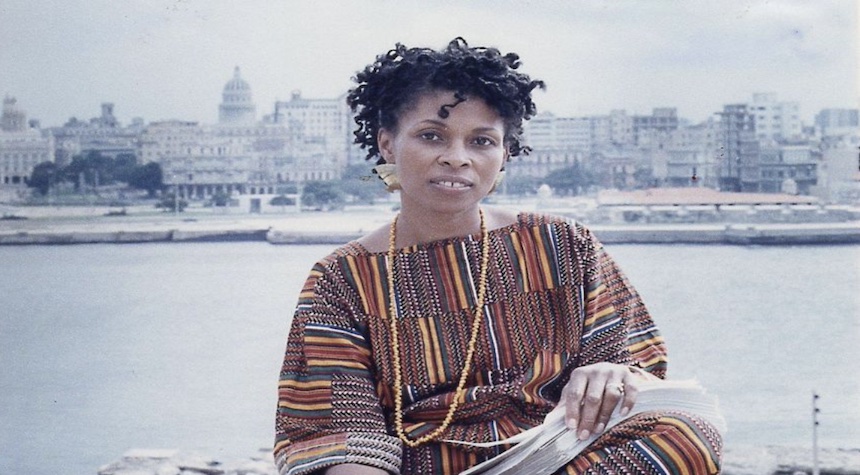
Reports from Cuba indicate that Joanne Chesimard, also known as Assata Shakur, has died in Havana at the age of 77. Chesimard, a convicted cop killer and one of the FBI’s Most Wanted Terrorists, had been living in Cuba under political asylum for nearly four decades.
In 1977, Chesimard was found guilty of first-degree murder in the shooting death of New Jersey State Trooper Werner Foerster during a 1973 traffic stop. She escaped from prison in 1979 and fled to Cuba in 1984, where she was granted asylum by the communist regime.
The Cuban Ministry of Foreign Affairs confirmed Chesimard’s death, citing health conditions and advanced age. The U.S. State Department reports that the Cuban government informed the U.S. Embassy in Havana of this development.
Chesimard was a member of the Black Liberation Army, an organization the FBI describes as “one of the most violent militant organizations of the 1970s.” Her case has long been a point of contention between the United States and Cuba, with the U.S. government repeatedly calling for her extradition.
Also Check Out: Dearborn Mayor Unmoved After Telling Minister He Was ‘Not Welcome’
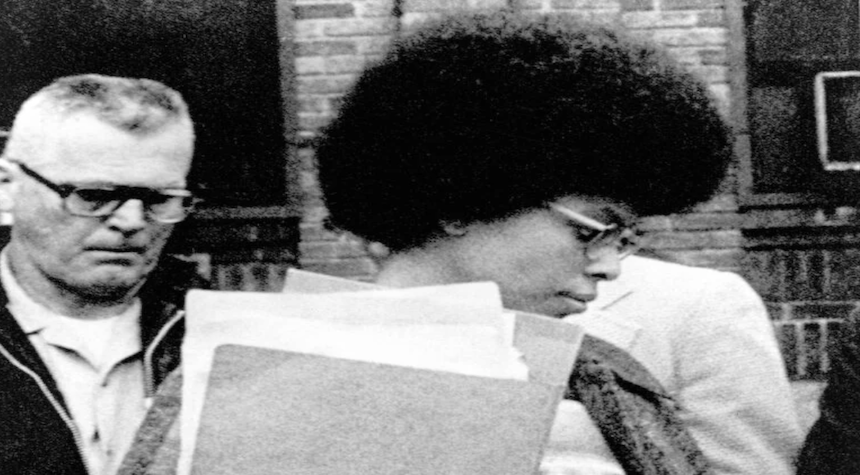
New Jersey Governor Phil Murphy and State Police Superintendent Colonel Patrick Callahan expressed regret that Chesimard passed without facing full accountability for her crimes. They reaffirmed their commitment to honoring Trooper Foerster’s memory and stated their opposition to any attempt to repatriate Chesimard’s remains to the United States.
This development follows earlier reports of ongoing diplomatic efforts to secure Chesimard’s return. Senator Marco Rubio has been vocal in criticizing Cuba’s protection of fugitives, while the Trump administration had previously called for their return as part of a tougher stance on Cuba.
While law enforcement officials view Chesimard as a convicted murderer who evaded justice, some activist groups, including Black Lives Matter, have portrayed her as a political refugee, citing Cuba’s “solidarity with oppressed peoples of African descent.”
The evidence suggests that Chesimard’s death may close a chapter in U.S.-Cuba relations, but questions remain about the fate of other American fugitives in Cuba and the broader implications for diplomatic ties between the two nations.