
The fate of American citizens wrongfully detained in Iran hangs in the balance as diplomatic negotiations proceed between Tehran and Washington amid a fragile ceasefire in the broader regional conflict.
Ryan Fayhee, legal counsel for Abdolreza “Reza” Valizadeh, a 49-year-old American who has been held by Iranian authorities for more than a year, emphasized the critical importance of maintaining diplomatic pressure to secure his client’s release. Fayhee expressed confidence that hostage negotiations remain part of ongoing discussions between the two nations, though the administration has not publicly confirmed this.
“It is my job as Reza’s lawyer to make sure that it doesn’t get lost,” Fayhee stated. “While I have high confidence that this is part of the negotiations, even though the administration hasn’t stated so publicly, it is officially my job to make sure it remains part of those conversations.”
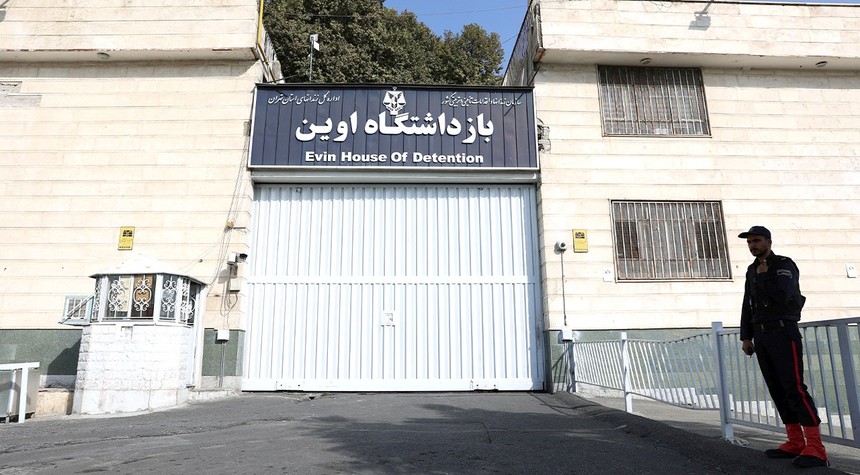
Iran currently holds six American citizens, though only two have been publicly identified: Valizadeh and 61-year-old Kamran Hekmati. Both men hold dual Iranian and American citizenship and have been detained in Evin Prison, a facility notorious for its harsh conditions and treatment of political prisoners.
The situation has grown increasingly precarious in recent days. The Israel Defense Forces have issued evacuation warnings for residents living near Evin Prison as airstrikes continue in the region, raising serious concerns about the safety of the detained Americans.
Fayhee highlighted a significant complication in securing consular access for his client. “Despite Reza and Kamran Hekmati both being American citizens, the Iranians don’t recognize their American citizenship,” he explained. “For that reason, they don’t receive traditional consular services. And even if they did, we don’t have an embassy there.”
This diplomatic impasse reflects a broader pattern of Iranian behavior that has drawn international condemnation. In February, the State Department formally designated Iran a “State Sponsor of Wrongful Detention,” citing Tehran’s systematic practice of arbitrarily arresting foreign nationals to use as leverage in political negotiations.
Secretary of State Marco Rubio addressed this practice directly, stating, “For decades, Iran has continued to cruelly detain innocent Americans, as well as citizens of other nations, to use as political leverage against other states. This abhorrent practice must end.”
The designation carries significant weight in international diplomacy and signals Washington’s determination to address what it views as hostage-taking disguised as legitimate detention. Iran’s refusal to recognize dual citizenship for detained Americans further complicates rescue efforts and denies these citizens basic consular protections guaranteed under international law.
As ceasefire negotiations continue, the question of American hostages represents both a humanitarian crisis and a diplomatic challenge. The international community has increasingly pressured Iran to abandon its practice of arbitrary detention, though Tehran has shown little willingness to modify its approach.
For families of the detained Americans, each passing day brings mounting anxiety, particularly as military operations continue in the region. The convergence of active conflict and diplomatic negotiations creates a narrow window of opportunity that legal representatives like Fayhee are working to exploit before circumstances deteriorate further.
Related: NATO Forces Intercept Russian Bomber Formation Over Baltic Sea